How the Rockefellers Used Life Insurance and Trusts
March 26, 2023·13 min
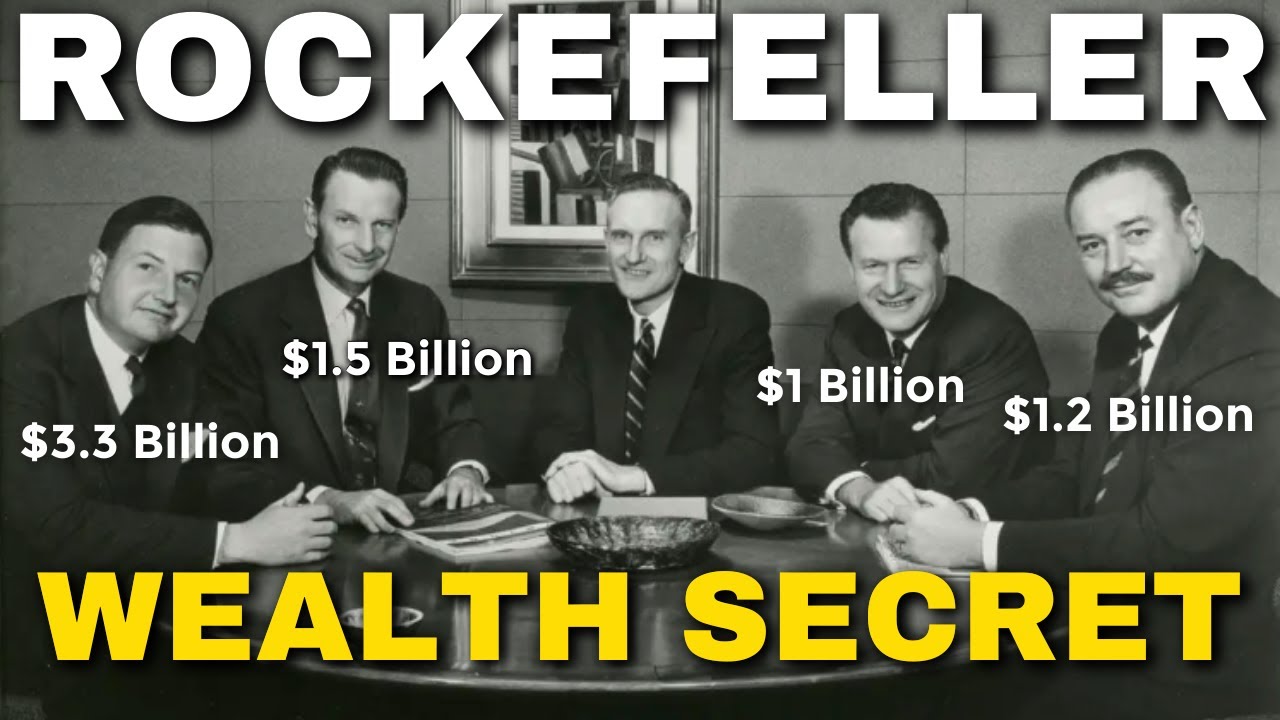
Watching onBetterWealth. The full answer is written out below.
The short answer
A trust owns the life insurance, not the people.
One person sets up an irrevocable trust and funds it. The trust buys policies on family members. When someone insured dies, the death benefit is paid to the trust rather than to an heir, and the trust uses it to buy more insurance on the next generation. Along the way the cash value inside those policies gets used for property, income and giving.
The loop is the whole point. Money that leaves as a death benefit comes back as trust capital, so the pot gets larger every generation instead of being split up and spent. The Rockefellers have run some version of this since the 1800s. The Vanderbilts, who were richer at one point, did not, and there is effectively nothing left.
- Who is involved
- Grantor, trustee, beneficiary
- Who owns the policies
- The trust, not the person
- Where the death benefit goes
- Back to the trust
- The version without a trust
- The waterfall method
Who are the three people in a Rockefeller-style trust?
The grantor, the trustee and the beneficiary. The grantor is you: the person who sets the trust up and puts money into it. The trustee is whoever runs it, and because a trust like this can outlive everyone who started it, that role can pass through several hands over a hundred years. The beneficiary is who receives what the trust pays out.
The money moves in that order. You pay the trust, the trustee pays the insurance company, and the policy sits inside the trust rather than in anyone's name.
What happens when the person insured dies?
The death benefit is paid to the trust, because the trust is the beneficiary. It does not land in an heir's bank account.
The trustee then does whatever the original document instructs, which in this design usually means buying more insurance on more members of the family. Those new policies also name the trust as beneficiary, so the same thing happens again a generation later. That is why people describe it as a self-filling loop.
What is the waterfall method, and how is it different?
It is the same idea with no trust wrapped around it, which is what most families would actually do.
Grandparents hold permanent coverage at the top. Their children have their own policies. Grandchildren get policies started young. When the grandparents die, that death benefit passes down, and the children use some of it to buy more coverage or to pay back loans against their own policies rather than spending all of it.
The catch is that nothing forces it. It works until one person decides not to bother, and early on a policy is not exciting enough to hold most people to it. A trust removes that choice. The waterfall relies on everyone agreeing, forever.
Why did the Vanderbilts lose it and the Rockefellers did not?
Structure, and what got taught alongside the money. The Vanderbilts were at one point wealthier than the Rockefellers and the fortune was gone within a couple of generations. There was no mechanism holding it together and no requirement that anyone learn to manage it.
The line worth keeping is that you do not really pass down wealth, you pass down education. A structure protects the money from one bad decision. It does not make anyone competent. Both families prove a different half of that.
Do you need an irrevocable trust to do this?
No, and for most families it is the wrong first move.
An irrevocable trust is what gives you the mandate and the creditor protection, but it costs money to maintain and you give up flexibility permanently. Locking one in young, before you know what your life looks like, is a real cost rather than a theoretical one. A revocable trust keeps the flexibility and gives up most of the protection.
If you are still building rather than protecting, the waterfall version gets you the same shape without the machinery. Trust law also varies by state, so this is a conversation with an attorney, not something to copy off a video.
What does the cash value do while all this is happening?
It gets used. That is the part people miss when they hear the words trust and death benefit and assume the money sits still for a hundred years.
The policies inside the structure are being borrowed against the whole time, for property, for income, for building things and for giving. The death benefit is what refills the system. The cash value is what makes it useful while everyone is alive.


Also asked
- Is this the same thing as the book What Would the Rockefellers Do?
- Not the same thing, but the same subject. Garrett Gunderson wrote that book and later retitled the idea What Would Billionaires Do. This page describes the structure itself rather than summarising his book.
- Is this legal advice?
- No. Trust law varies by state and setting one of these up is work for an attorney. BetterWealth handles the insurance side of it.
Want this run on your own numbers?
Talk to a licensed specialist and get a straight answer on whether this belongs in your plan.
Book a CallFollow us in Google
Tell Google you want more from BetterWealth and our new articles start turning up in your Google feed.