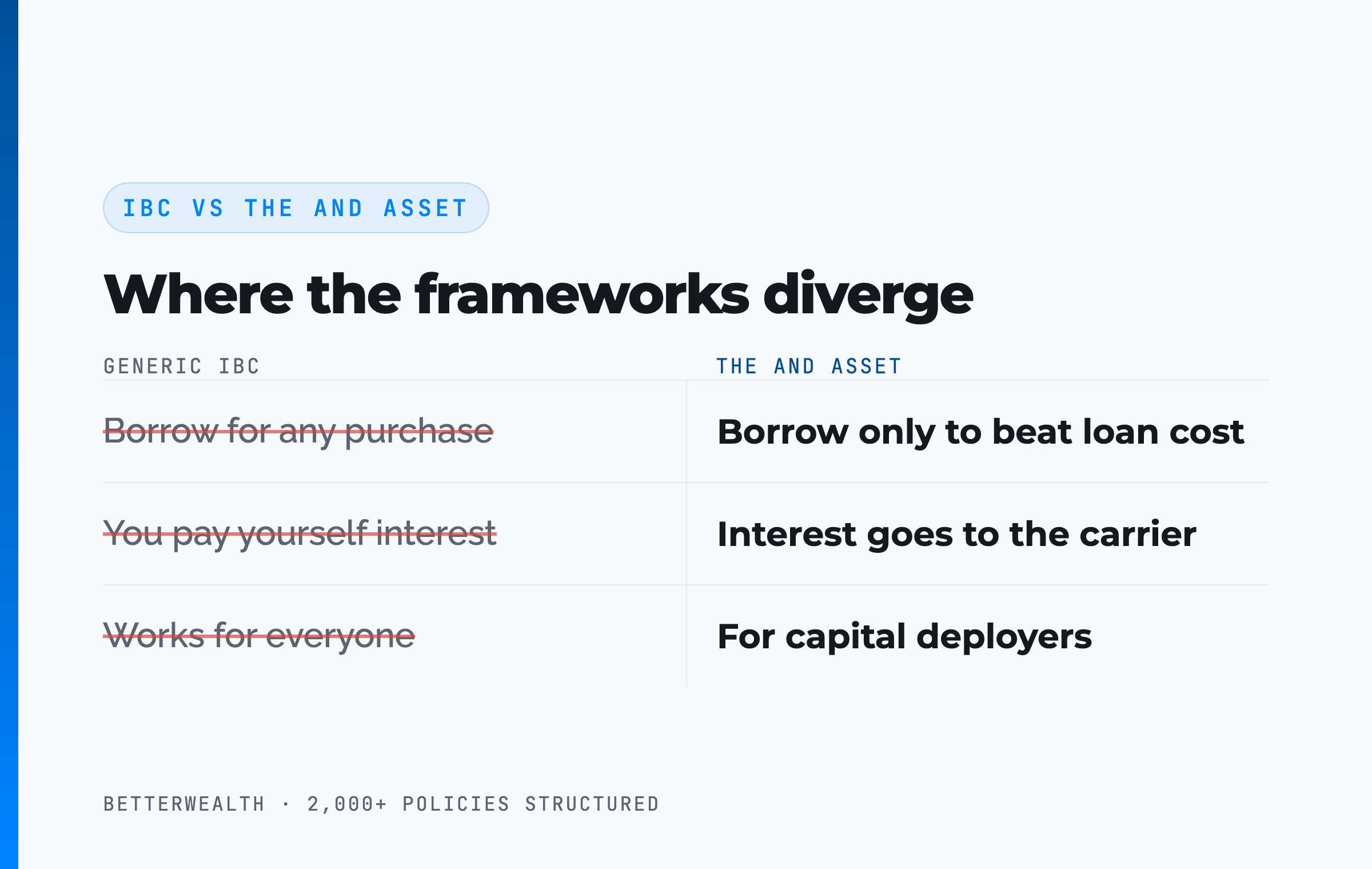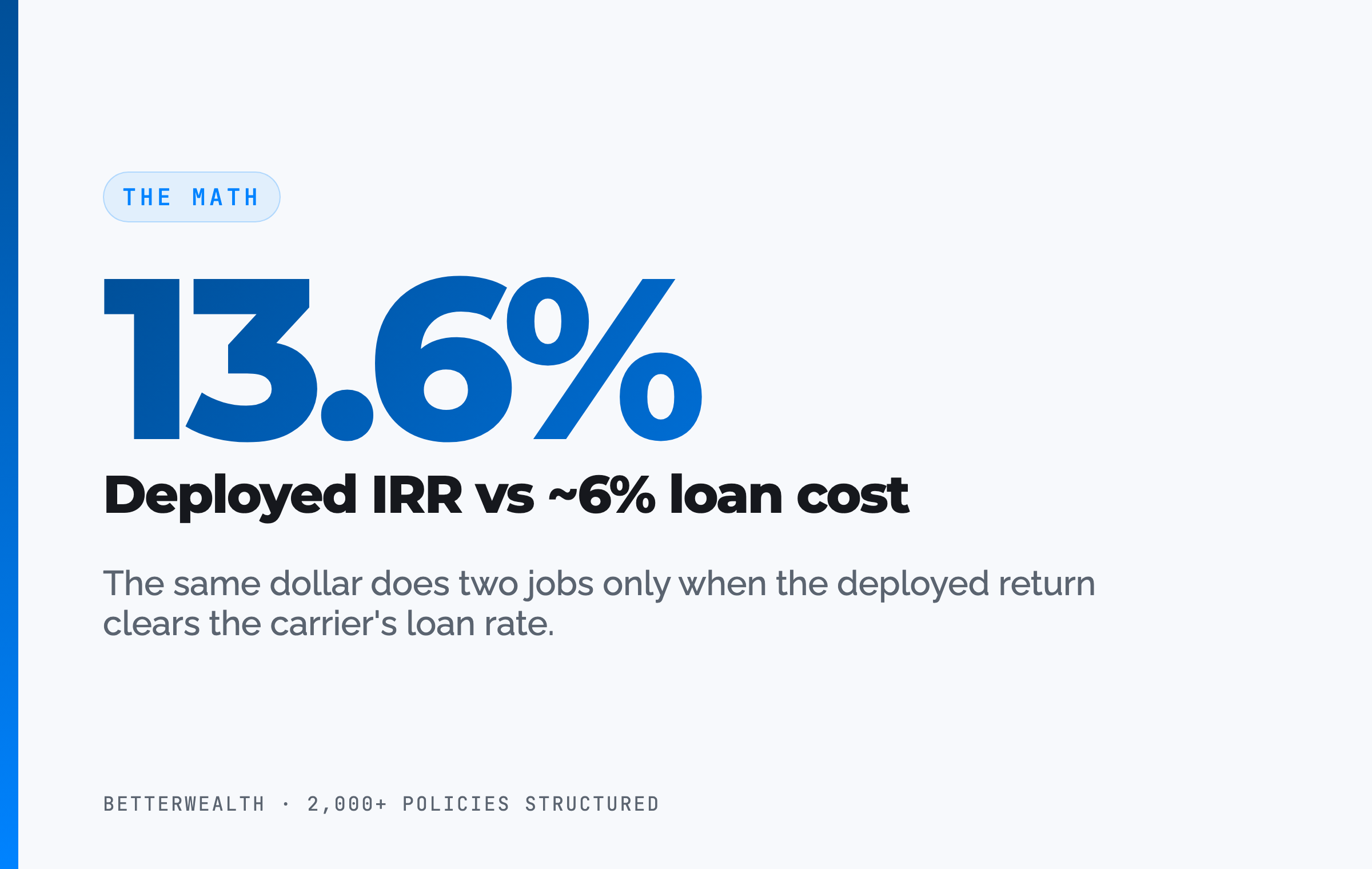

All right, welcome back to another episode of the AndAsset show. Today, we have a special guest with us, Mr. Justin Gartman. Welcome, sir. Welcome to the show. Happy to be here. You know, I finally get to come on, you know, the backup commercial that Progressive has. That's right. I'm Caleb's backup coming into that. You're a whole lot prettier. So, you know, it adds a lot more. yeah that's what pizazz will do it no that's for sure yeah yeah uh amazing so caleb was gone this week uh there's a good chance he'll be back next week uh and we have justin one of our amazing golf coaches who also focus on our retirement planning side of things uh he will be here with us today to talk about an amazing subject all right uh that main core subject that we're going to discuss to talk about is going to be around juvenile cases. But before we do that, I want to share and talk about a new format that we're going to do here on this show. So we have done quite a bit of shows up to this point in time where we've done book reviews, talked about a subject matter, and we've kind of just rifted and collaborated with back and forth on it and try to add as much value as possible. Sometimes those go a little long winded. And sometimes I could even sense it myself where we're getting to a place where we're grasping for straws. And so we want to always challenge our ability to be better, right? That's kind of one of the things that we stand for here at Better Wealth is always finding a better way. And that's actually one of our core values too, is how can we always find a better way? So we're going to try a new format, a new format that's going to allow us to add more value in a shorter period of time. And hopefully it's a place that all of you viewers want to keep coming back to every single week because of the value that we're going to be providing. So our format and how we're going to do it going forth is we're going to spend about five minutes doing our best to update, share, talk about anything that's happening in the industry, whether it's coming with the carriers, macroeconomics, all things around specific life insurance. And then from week to week, it'll vary. Sometimes it'll be stuff from like a month ago, two months ago, it could be from a year ago. Like this is our first time we'll try to just add as much updates, insights, and news. as frequently as possible. And then there will always be new things that we find and come up with. So that'll be the first thing. And you guys will see what the format will look like as I go on. Secondarily, we're going to spend, you know, 15, 20, 25 minutes talking about a core subject of the show. And like I shared this week, we're going to be talking about juvenile cases. Then after that, at the very end, we will talk about Q&A. So we have comments from our Better Wealth channel and also from our Anadasha channel. where you guys have commented and asked really intentional questions that we are beyond grateful for. Sometimes it's really hard for us to answer those questions specifically by typing them out, either because somebody on the media team has to answer a super technical question and that becomes very difficult, and or we just may not have the time and energy to do it within the written format. So we figured, hey, what better way to be able to answer questions for you guys than just doing it live on the show? So what we're going to do is we're going to pull up the questions on the screen. And then we're going to answer those together. And so with that being said, we will go ahead and get into this. We won't share this format anymore going forth. So now for everybody that's an Abnid follower, grateful that you guys are here. And you guys have been supporting any fans or just people who want to learn education up to this point. So with all that being said, let's go ahead and go into the first section for some news and updates. Mass Mutual, they actually just came out with their Mass Express accelerated underwriting. So now that's up to $3 million, which you can get fluidless underwriting. And it's in all 50 states in Puerto Rico. Lafayette Life, they actually just also came out with something they called like simplified quick issue, where you can get something approved underwritten within like two to three days. Uh, the requirement for that though, is they have to be under $1 million of underwriting amount. Uh, but then it kind of is a slap in the face when you talk about those two sometimes, when you then talk about Penn Mutual to some degree or another, because Penn Mutual still has like the golden North star of being able to do a lot of the fluidless or accelerated underwriting up to 10 million. And Penn actually just launched their, uh, their soft launch for their accelerated client experience. which is essentially just their fancy way of saying, okay, we're making it more streamlined or making it quicker, more efficient for people. So that's a lot of cool things that are happening in the underwriting space. I think all these carriers are trying to be super competitive with one another, which we love, you know. bringing it a higher standard to the industry in general. And underwriting is a huge component of that. In regards to competitive underwriting, Lafayette Life used to be a big stickler in regards to not allowing anybody to do marijuana usage without getting a tobacco rating. And now they allow actually two times per week. So I don't know where the two times comes from, but they allow that. And the only thing that must be required is that the person has to actually admit it. If they find out that they lied, then that's a whole nother story. They also came out with a new product that when it's focused on death benefit, they call it their heritage product. It's actually per thousand dollars is actually the cheapest in the industry when it comes to some of the mutual carriers we work with. So not necessarily that's not a accumulation cash value focused product, but it is around the death benefit piece of it. Talking about some other carriers that may be not in like the mutual whole life carriers. There's John Hancock. They have a... a product now um that well they have tons of products but that variety different of indexes around like their iul's um they just came out with one where it includes a nasdaq index but with an account cap of 14 that was actually pretty crazy when i heard that i was like wow i most of the uh the caps have been a lot lower um closer like the 10 9 percentage range so knowing that they have one that's 14%. They're trying to be very innovative in a lot of ways. PacLife, they're a company that people use in a lot of instances for higher net worth. They now have a 75 million automatic capacity jumbo limit. And so if you guys aren't familiar with jumbo limit that is on this call or watching, jumbo is essentially just a fancy term for saying, hey, somebody has a death benefit amount. that's greater than their usual underwritten amount that they would get of like what their quote unquote human life value is. And so it's usually for higher net worth individuals, business planning, certain instances. And it's usually like 10 plus million dollars of death benefit. And sometimes they even have to share that with reinsurance or share that with other companies. But PacLife is like, hey, like we got this massive limit. We're willing to take on higher net worth, large death benefit cases, point blank, period. And then for the last point, this is actually going to be a teaser into next week's main topic. Annualized premiums for individual life insurance rose 8%. It's now at $3.94 billion that happened in the last quarter or so. So with that being said, we're going to talk about the breakdowns of those product lines, of what has increased, what hasn't. Winky wink. VUL and IUL have been rapidly increasing with their premium dollars to the industry and term is slightly down. So we'll talk about why that is, what our thoughts are on that, and we'll go from there. All right. So there's our there's our news. There's our breakdown. Now what we're going to do is we're going to jump into the main main source main topic. This is the first time that we've done this. So I'm going to give Austin and Justin a. quick moment to reflect on what we just did, if that was like lame, or if that was something that we could see value, if we make that even better as we go on. Dude, some of that stuff was news to me. I appreciated that. And I was actually curious on one point with the, specifically with John Hancock and they have that 14% cap. I'm curious is if, do they have a 14% cap on their old business as well? Like that's like a kind of a follow-up question I'd have as an agent is like, It's one thing to lure people in with a new rate. It's one thing to give all of your clients on all of your blocks of business the same cap. So I don't know if there's any sort of marketing to the material under the fact that like everybody has a 14% cap or if it was just a new business. Yeah, well, the odds are no, but there are certain companies and maybe John Hancock is one that allows you to change. your index and the option that you choose. So if it's not product specific, it may be actually just like index specific and you can pick, you know, the NASDAQ, then there's a chance that that would be the case. So yeah, you know, for us, we, we've sold John Hancock IULs. We've sold IULs in general. It's not necessarily like our bread and butter. And so I'm not going to sit here and say like me personally is a product expert with John Hancock, but, um, that's something that we easily could find out for sure at the end of the day absolutely yes i would i would imagine too there's not as much competition for the net like everyone has an s&p index so buying options there's a lot more competitive space so caps have to be a little lower and the nasdaq could be a little higher because of that so could be something there um at the beginning austin i thought you were going to say i thought part of that was lame but you didn't so i i think it's good a lot of stuff that yeah most people probably um aren't checking the news for updates especially underwriting and all that good stuff but i can see there's a lot of exciting stuff. happening. And I know last week y'all talked about some of the problems in the industry or just technology and not innovating. And we can see here, like there's movement towards that happening. It's a slow progress, like everything with life insurance companies for the most part. But there is movement towards that, at least in some sense. Love it. Love it. If you guys aren't familiar with this individual, his name is Bobby Sandelson. Bobby Sandelson. to me personally, in our space is one of the, if not the smartest individuals when it comes to products and life insurance. He helps carriers build them. He dissects them. He looks at the white papers for them. He's not even an agent. He like literally just focuses on these products and doing the research within these companies in the industry, right? He doesn't even really have like a product that helps where he's like does masterminds or search agents. All he has is a blog and this blog. is like super in depth and the most extensive blog that I've ever read in my entire life, especially around the insurance industry. And he came out just recently with a article that I really enjoyed that talked about the case for juvenile cases. And I thought that was pretty interesting. As I started reading about it and the information and context within it, we're going to dive into on a higher level. And I'm going to start asking questions to these guys and start giving nuggets as well of what I read. and also my perspective and hear these guys' perspective and compare and kind of get the best out of like juvenile cases. What are they? Should we write them? What's the industry currently doing? What does it look like? And we'll go from there. So if we could, let's start with you, Justin, just give a quick, quick explanation on what a juvenile case is, just so for the people that are all watching this, maybe brand new, they, they have no idea what that is. Yeah. Yeah. So when you hear juvenile, Just think a kid. So you're going to get a policy. on a child, someone who's not on their own. It could be a one-year-old, could be a one-month-old, all the way up to typically 18, even 20 sometimes, depending on company, different things like that. So yeah, I think you're going to start young and have that thing for a long, long time there. Amazing. And then Austin, what are, in your mind, some reasons why people should consider getting a juvenile case? Very good question. The first and foremost, when you're thinking about a juvenile case, we work with a lot of parents and they're generally not doing this for like a maybe like a legacy focused planning is they're not assuming their kid is going to die. But instead they're saying, hey, the insurance is cheapest when they are younger. Because when they're older, and the plan is to still have the policy with them when they're older, it's never cheaper than to buy insurance now as opposed to 10 or 15 years from now buying the same insurance. It's just way cheaper when you're a kid. So I'd say probably the number one reason to buy it is just that these kids will more than likely go on. They're going to maybe even have a family. They're going to be important and valuable to that family. And it's cheaper to buy insurance on them when they're younger than when they're older. So that's that's one reason is that. And the second reason is this is kind of where an overfunded style juvenile policy comes into play, is that you can give your kid this liquid savings tool that can grow up with them. It's going to be this where they can bring it into their marriage, maybe. Or if they if they wait to get married, that they can use it to maybe get into flipping houses or something rather than going to college. Right. Is that their parents are giving their kid enough money. that it's going to give them a boost kind of at this critical stage in their life, but not so much money they're going to get in trouble. And so that's kind of that happy area that most of our parents kind of try to be in is like, how can I give my kid a boost and give them enough money that they can really go somewhere with it versus just getting this massive windfall and then spending it unnecessarily? One of the things that was mentioned in the article was that the juvenile cases is one of the most like undersold policies, like period. Like there's not a ton of people that are actually selling this stuff. I'd be curious to hear from you guys why you guys think that actually is. Um, like why are, like, why is it just not being sold? I'd say, I mean, for me, one kind of two things immediately jump out is one, uh, most of the time parents may look at it and say, I don't, I don't want a policy on my kid. Like why would I need a death benefit on them and aren't looking necessarily future term. Uh, and also, I mean, you're not going to get paid much for a kid's policy. Like it's cheap insurance anyways, if you're, especially if you're designing it for high cash value. uh you're getting paid not much at all so it's not something that probably a bunch of agents you can't make your full business off of hey we're just going to do kids policies so you're going to have to do a a whole lot of them so that's probably two immediate things to me to jump out it's like a million kid policies a year to make a living off of kid policies yeah the second one uh justin was like pretty much what my brain went to immediately is like you know i almost do the kids policies as a favor to the parents like that's by kind of the compensation that we get out of it. Like it is not, it's good for obviously for them because, and also us just because it helps you live intentionally. And that's like, that's our mission as a company, right? Is that, you know, intentional living, it's very important to us. And it's very important to us that our clients also get to experience that. And juvenile policies are a great way to experience it. But it's, I can understand why other agents don't push it as much as, because like it really doesn't pay anything. Uh, you know, really there's not a lot, especially when you're designed in an overfunded way, um, which is pretty much, I'd say 99% of the juvenile cases that we write are designed in an overfunded way. Yeah. Also add to that. I mean, you have to, as a parent, you have to have insurance on yourself and sometimes maybe for the amount you want to do, you're not going to have enough insurance to do that because they're not going to let you ever get more insurance than your kid has. Typically you can't even get an equal amount. And so a lot of times someone will come, hey, I want to do this much, overfund the policy, high cash value. It's like, great, we can do that. You're going to need this amount of insurance to do that. And sometimes they don't want to get that insurance on themselves. I thought it would be easier than that. And so there's a little bit of added, not complexity, simple. You need insurance, any coverage at all. So that sometimes maybe take away from them wanting to start something there as well. Yeah, Justin, that's a great point. Oftentimes people come in and they think that because their kids are the youngest, that they should overfund this concept with their child. And they're like, well, they're the healthiest, the youngest, right? We should so on and so forth. But it doesn't work that way, right? One, like you said, you have to have insurance on yourself. And there's only so much money that you could actually put into it. And they're actually priced differently. They're priced differently in a lot of ways that actually doesn't necessarily even make it the most efficient in a few years. relative to what you could do with an adult policy. So there's a lot of things that are small nuances that have to be considered. But the other thing that I thought was a very good point is people don't want to even have the conversation around death benefit on their kids. Like, why do you think that that is? Right. Like, why does like, usually when we talk about the accumulation side, they're like, great. But then when you start talking about the death benefit, they kind of like plug their ears. Right. Do you think that that's a Smart way do you think that's irresponsible? Like do you empathize with them? Like where you guys kind of land with that? I say I I get it. I understand that where they're coming from. Okay, you're getting a policy one Yes, if you're planning for death benefit, you're planning for them to have something in their future No one ever wants to think about something tragic happening And so I've had people we've looked at that and they're like I they've said hey, I don't even want that death benefit if something happens. Like, I don't want that to happen. It's like, well, that does steer people away. And I mean, we've had people, I mean, even in the industry, they've had a child die and that death benefit, they had it for accumulation purposes, but that death benefit can help you grieve, take time off work where it is that there that comes to you. And so while it's something you definitely are not anticipating, it is there for ideally. down the road, but the emotional aspect. And I completely kind of empathize with them. But I think looking past that in planning can be helpful and why talking to an expert and taking the emotion out of it can help there. And no parent ever wants to think of their kid dying. Like, so I totally get why people are unnerved by that. Because, you know, our kids should be full of life and they should be, you know. growing up and we always think about like, oh, what are they going to look like as a teenager? Or what are they, you know, what, where are they going to go? You know, what's the job going to be? Like, we never ever want to think of, oh, yeah, like, they might die. So let me just get something in case like, yeah, I understand why people don't. But as to Dom's point, is that irresponsible? I'll say it is irresponsible, I think, to not consider every outcome, because ultimately, we all will die, right? Like, it's a guarantee that, you know, right? What's the two things that are guaranteed to us in life? Death and taxes, right? Like, ultimately, we will all pass. And even people who get insurance, I think there's even just maybe more cultural insensitivity, or maybe I should say sensitivity around death in general. and just not wanting to even imagine our own deaths. So that's only amplified when we're considering the deaths of our children. I think the same thing happens for estate planning. Some people don't want to even get started. Hey, I don't want to talk about let's plan for what happens because we don't want to think about that. I know that's kept some people from even going down that, which is at the end of the day, that is more irresponsible. Yes. Yeah. Yeah. When people are... Uh... So go ahead. No, go ahead. No, Austin. I was going to say, when people, when they pull that out, like if I get started to sense like a little bit of resistance to the estate planning, I usually, I just help people like, hey, you already have the estate plan. Like it's this great thing called probate. Government's already cooked it up for you. You know, like you already have, it's just a matter of like, you know, which, which way do you want to go with this? And I think, unfortunately, with kids and thinking about death, we're all going to die and like something will happen once we all die and just, do we want to be prepared for that thing? Or do we want to not be prepared for it? That's kind of where insurance comes into play. Yeah. Yeah, that's good. Yeah, they're all very valid points. And I think that if somebody, unfortunately, had to go through a situation where they had to bury a kid, one of the things that they're probably going to want to do is find some time to grieve. And if you're forced to go back to work because you don't have a plan to be able to do so, it probably would amplify the situation. you know, two X, right? You can't spend time with your family. You can't just actually like take in what just happened. You can't focus on the things of, of life that can actually bring you more joy, even though it would probably be really hard to find it in that type of, that type of scenario. Like we all have kids. I think we all can relate. Uh, but having that as a, as a, an option of like, Oh, I don't have to work for the next year because the death benefit kicked out something, right. Is something that at least something to consider. The other thing is if you have other kids or you have a spouse, you still need to find a way to, especially as a man personally, I believe, show up powerfully for them and be the rock, be the foundation, be somebody that can support them in those types of scenarios. And if you're crumbling and falling apart and can't hold it together, then it makes the circumstance harder for everybody else that goes through. And I heard the crazy statistic, like if a child dies, there's like 90% divorces that happen because it's almost just too hard to keep the family together. And it's just like that. And so it's not a scenario of like, you know, let's get this because our kid's going to die, right? It's just when we're looking at the entire financial portfolio and picture and living intentionally, there are some benefits of your happen to be the 0.001% that that happens, right? So all I have to say, a lot of times we write kids policies, it is for the accumulation side, but I think that the death benefit is an added benefit that is just good to know, it's the end asset, it allows you to have your dollar do multiple jobs. So I really appreciate you guys' perspective on that. Most people have no idea where to start or how to really evaluate whole life insurance. That's why we've built The Vault. It's all of our best life insurance resources and educational tools all in one place, all for free. We have calculators, handbooks, crash course, deep dive videos on numbers. If you want to learn more, click the link in the description or tag comment below to unlock The Vault. All right, back to the video. One of the things that Bobby said is he's like, One of the reasons why it's so hard to sell is there's no kid in the history of the world that ever went to their parents and be like, hey, mommy, daddy, will you please buy me a life insurance policy? I was like, I thought that was good. I was like, yeah, that's true. Like, it almost has to be sold and convinced in our space. Right. Think of think of that dynamic between maybe the way that somebody in a career path will go down from a learning and education versus somebody maybe an independent side. So I feel like maybe a Crayajin on Mass Mutual or Guardian or... Northwestern Mutual, they usually have like a very systematic planning approach, right? And they learn that from like their upline and their managers, so on and so forth. And usually it consists of more holistic planning, the planning where you talk about disability or talk about term where you buy a little bit of whole life, or you kind of look at the equities pieces, how it could be considered and like you tie it all together. And so when you're looking at it from a holistic perspective, you then start to talk about the conversations that we're having now of like, hey, your kids into the future, them living intentionally to be able to pass down something, for them to have tax deferred growth and then an asset that they can essentially use in the future, a death benefit that they can have for protection in case something happens to them, right? Something of that nature gets brought up because they are looking at it in a true holistic planning perspective versus sometimes on the independent side. It may be more around a product perspective or you just talk about equities or AUM or you just maybe focus on like one thing versus like tying it all in together. They don't have that approach. Yeah, that was kind of where my head was going is like the career agent most time probably has recurring. That's your insurance guy. Like you can know, hey, everything that we're going to do, come, come to them. We're a lot of probably independent agents. Either one aren't in the business long. And so it gets kicked off to somebody else or there's a lot of one-off policies and not kind of ongoing relationship there. And so I think that's probably a big part of that ongoing relationship there where I think what we at least try to do here is, hey, we're continuing. And I've had parents, hey, they get a policy, come back. Hey, now we're looking at something for kids. Now we're looking at this. And so I think that's probably the biggest differentiator there. And also just bringing up the conversation of, hey, this is the next step. You're insured. You're taken care of. Next steps would, hey, we can look at your kids or spouse or whatever it may be. Amazing. So let's just say that somebody comes and they watch this. They're like, all right, I see the benefits of it. I see the cash accumulation over a long period of time. I see it being in a tax-deferred bucket. I just see the ability to give them a gift that they could use for real estate or use it for school, giving them optionalities. I see the value in it. Right. And at some point in time, they're going to have their own family. So if they happen to get sick and they can no longer be insured, they have this death benefit for their family as well. Like it seems like an incredible gift that I can actually give to my kid. Right. So let's just say that they do that. Is there any other riders or anything else to be considered to be put on maybe a kid's policy that should be considered? uh when writing these pretty yeah i was i thought awesome yeah i think one the biggest one that jumps out is a kind of guaranteed purchase option i mean if you want to look at it make sure that not only are we going to get you this one policy uh we want to let you in the future so you have a health problem so you're not insurable we want to guarantee the ability at least at a certain time intervals up to a certain age typically. right below 50s, you'll be able to get another policy up to a certain limit though. So guaranteed purchase option, guaranteed insurance rider, companies all call it something different, but it gives you the option to get another policy. Now you have to pay for that policy. It's not just coming out of that policy, but it's the insurability piece is locked in. Yeah. No, amazing. Yeah. And yeah, ultimately just And he increases the amount of death benefit that the person has, right? That the kid has, right? If they have a million dollars death benefit, then they have the option to buy more, right? Instead of 1 million, you can now get 3 million, 4 million, so on and so forth. It's great. That's actually one of the things that Bobby said should highly be considered in every single kid's policy because of the planning piece of it. And he mentioned that you should have a kid's policy that gives you maximum options because you have no idea what the future will hold. He said that that's one of the incredible things to create flexibility within your policies by putting that on there. So, love it. Adding that, and typically I walk through both situations, is I always recommend, hey, we want to add this. Now, since most parents want the cash accumulation, that rider does cost something. So, cash accumulation does go down slightly because now it's pretty cheap, no matter how much you're getting. Talking probably a few hundred bucks per year for most. kids policies but some parents decide hey i don't want that but the other option is just to increase if you can normally hey we add a little bit more base to it now you can fund it to a higher level and so now that comes where hey they want to add that increase their death benefit they can fund more dollars into it rather than just what you may be wanting to fund because at some point they're going to be an adult they're going to have a job it'd be great to start with a 20 year old policy that they can just start putting money into instead of having to start over once they get to that. So both of those just maximize, just like you said, maximize the options. You said an incredible point that I think should be over communicated. Having a slightly higher ability, higher base to give them optionality in the future to overfund it even more once they're able to, right? And by having the guaranteed insurable rider on there, give them the ability to even overfund it and put even more money into it. Let's say that does happen. Is there any other riders that you think would be actually good to put on right away with that concept and that idea in mind? Knowing that they're going to have like maybe a larger base, bigger policy, something, another rider that would be good for something like this. I could theorize that really the only other rider I could imagine being helpful in that kind of long term planning is like a disability waiver or premium. Granted, in the future, you know, as inflation kicks in, the kid's probably going to be earning. The premium is level. And so... the uh ultimately they're not going to be paying any more for their premium but uh their income is also going to be higher so their earning ability is going to be higher they're probably going to be able to pay whatever the premium is their parents design their policy but it still could be nice just to give them that ability to waive that that premium in case of a disability you know at some point in the future because statistically that's more likely to happen to them than death is like they become disabled or incapacitated And I think that the lens that you look at is going to depend on what is presented, right? If you're just like, hey, client, hey, prospect, here's this policy that you can get to give to your kids for cash accumulation one day. Cool. Those other riders may not be being considered. If you're not thinking about the option to put in more money, you're not thinking about long-term planning. You're just kind of more focused on the now, but then maybe like, I want to give them a gift. That's one bucket. But like when it comes to planning, the thing that I've been learning is that Really, how can you minimize the amount of risks and the amount of like left turns that'll take you from life to not detract you from the focus of life getting flipped upside down, right? And those things such as the waiver premium, getting insurability, all of those things, right? Putting money into the future, it gives you flexibility, but also helps prevent unfortunate circumstances for happening. The death benefit that comes with the kids. There's a lot of things that are put into place that put you in a lot better situation. the 99% of people that are actually going through the world of planning, just focused on accumulation and growth, right? And when you do this stuff, these are the, how you create like real generational wealth. Cause you're not just looking at growth, but you're also looking at protection. And then you can now have a better plan put into place. So, uh, I absolutely love it. Now here's the debate of the century. When we have this conversation, does it make sense to use a different product besides whole life. Let's talk about three products. Okay. We'll talk about whole life. We'll talk about IUL. We'll talk about VUL. What is your guys' thought process on using one or all three or any of these products for a kid's policy? That can definitely opens up lots of considerations for kids' policies. So one, I mean, just if we look at an IUL, chances of it going higher. knowing they have lots of time before they're probably even going to need that cash value can definitely be a good option. Kind of the one thing I would like definitely depends on the company because now you're looking at you want those cap rates, everything to stay steady for 50, 60 plus years, most likely. So that's where you're not looking. It's a longer term planning process. And so it can definitely be something that I think can be very advantageous. Give them a chance to have. higher growth. Same thing with the VUL. It gives you a little bit more options to give you a little more growth. Say they get to their 20s and now they have a policy with a little bit more cash value, but also takes on a little slightly more risk. Again, not making it risky because it's still an insurance product, but slightly more than what it would be in whole life. And so at the end of the day, I think it just depends on the main goals of the policy. what the parent is willing to take on risk-wise, what they prefer. Because I've talked to people who they're like, I think I should do IUL or something, but I just don't like it. I'm not sure about it. And it's like, well, don't do it. Let's do it. Just because you hear someone talking about it and this is the way that you should do it, doesn't mean you have to. If you agree strongly one way, do it. If you agree strongly IUL, then hey, you can do it. Both of them can have a good chance of working out, especially if a good company and designed well, I think either way can work out for that kid's advantage and parent's advantage in the meantime. Amazing. Austin, is there a thought you want to share in regards to this? And if you don't have to, I'll also share what Bobby says that I read from the article because I thought it was fascinating. I'd say I have a similar opinion as Justin. Same soup just reheated different words is that i would i would say that Could a VUR be good for a kid? Sure. I think it depends on the risk tolerance of the parent. Like, why are you getting this policy in the first place? Like, do you want to mitigate risk? Is that like the main reason that you want to get this? Do you want to have this very predictable, consistent asset that's going to just more than likely behave in a certain way and that you kind of project 10, 15 years in the future to, you know, it's probably going to look like this? If you want something like that, then IULVUL is probably not for you. If you are much more risk tolerant and you're okay riding the roller coaster for the next 10 or 15 years and what your kid gets at that point is what they get, well, then maybe that's another conversation that we could have. It's like, okay, then you're risk tolerant. Then maybe an IUL review could be good because it's going to be much more variable than a whole life policy. So to the right person, it makes a lot of sense. I think more of our clients go the whole life route than anything. But certainly it could make sense to the right people. Amazing. All right. So I'm going to give the general of the response of what I took away from what Bobby said specifically to this question, because I actually think is a very good question to ask because I've had my perspective and it makes me consider based off of what I read. So he says that whole life is a whole when it comes to juvenile is how juvenile cases are sold. Majority of them go through whole life. Why is that? Seems like it's because it's just habitual, right? A lot of them come from the creation side that we've talked about. They also have the guarantees, the bond-like returns, like the downside risk, like all the risk pieces of it. Like it gives more certainties for your kids planning into the future. Like that gives security to the parent. He talked about a VUL. A VUL actually seems like it could be the best option in a lot of instances, but the only way it actually works is if it's managed accordingly. And every single year, right? Because you're essentially putting something in this wrapper, but you're still getting all of the actual equity upside, right? If you look at a long period of time, the S&P growth, you're getting all of that upside return, but within the tax advantage wrapper and the death benefit is the cheapest at that point in time. It's actually a really great product for a kid, but it only works if it's managed. And he's even admitted, like even when you're doing adult VULs, it's probably very rare that people are managing it the way that it needs to be. And then this is what he said, essentially for an IUL. He said, it's safe to say that IULs should really have no place for juvenile policies. And the reasons why he said it is because you can't reap the upside benefits such like you get in the VUL. It lacks the allocation flexibility as such as like when you're VUL, you can choose where the allocation goes to. It exposes to the changes in the non-guaranteed section in a non-participating structure, all without the tabular guarantee or premium for cash value in the premium section or the cash value. So essentially, it's like you're getting a very watered down version of all of it, right? If you want high growth with more options that can give you better returns, you go with VUL. But if you actually want the safety piece of it with more guarantees with... the foundational piece you go with whole life. So having a, um, a, an in-between watered down version of it in the IUL that really doesn't make a place for a kid's policy in this situation. So that's really what his argument was. And, um, I don't know when I, when I hear Bobby speak, I usually listen pretty, pretty well because I know he's a lot smarter than I am. Um, and so he, I know he's done the research and he's been in this space for 20 plus years. So. Yeah. I know one thing, Bobby, when I've heard him talk, he talks about. If you can get a VUL and a lot of times maybe that can be the allocation can be in an index. And so you can essentially have the index. So the IUL, but within the VUL kind of working that way. And that allows you to give you some protection. But in some cases allocate to be able to not be capped at the upside, which can be a great thing. Just a matter of what you said. being managed properly. And so, especially for the kids' policies, that now needs to be managed for a while. So making sure, hey, 50 years from now, is that still going to be the kid managing it well? And there's some things you could do, but that's going to be a key component of it. You want to be hands-on or you want to set it and kind of let it go. Amazing. All right, guys. That wraps up our section of the meat and potatoes. What we really want to do is now we want to move into some Q&A so we can get you guys some answers to the questions that you guys have. And so we have about five of them. We're going to try to run through them as quickly as possible and give you guys as much value as humanly possible as well. All right. So let's go ahead and to our Q&A. Let's get it. Here's our first question. What are your thoughts on New York Life Insurance as a company? Who would like to take the first stab? I got it. New York Life. Got this, man. I'm down. So New York Life, they're, I would say, fine. They, something to kind of realize, if you ever see an illustration from New York Life. more often than not, they have captive agents. And you have to have a very, very large policy to write with them in order for, like, for instance, if we were in a New York flight policy, it'd be a huge policy in order for us to not be a captive agent, yet write with them. In our time, in comparing illustrations we've seen in New York flight versus other carriers, like, they're good, they're mutual, dividend-paying, but they're not, like, excellent at, like, any one thing. Whereas like some carriers we work with kind of like excel in one area over others. There's just kind of like all around good. So I'd say fine. I've seen some decent New York Life policies, you know, maybe for the right person. I just haven't seen them excel in any one area in particular. Amazing. Jess, did you want to say something? Are you like dying and itching? If not, I'll give my thoughts and then we can move on. I'm good. Perfect. All right. So on the show. we all have the ability to agree to disagree or disagree to disagree, whatever that statement is. What I would say is instead of using the word fine, I would actually just put them in the bucket of they are really good. Like they're great. They're a great company to work with. If you've got a policy with New York Life, kudos to you. They're a great company. The only difference is if it's well specific for you is based off your goals. And if it was for high accumulation cash value, did the agent actually know how to design it that way to give you the max benefits that you wanted. And I've seen policies that have been written for max accumulation that are actually very competitive to a company like Penn Mutual in the past. And I think a lot of the times when we maybe see an illustration, we're getting it compared. We're getting it compared to a policy that's probably half-baked, that wasn't written with the highest accumulation, highest, greatest cash value because the agent, there's a high likelihood that it wasn't because they don't know how. So that's the only downside in the career agent side, which is what New York Life is. is they don't get a lot of education on how to max overfund, optimize overfund for the cash value piece of it. So therefore, it just doesn't make it as beneficial for a cash piece of it. Okay, amazing. Let's go ahead and move on to the next one. All right. Can you explain term riders and simple terms for beginners? I've always heard insurance was evil because of the buy term and invest the difference mentality. All right. So for everybody that's looking at this question, um which I know the question is no longer there, but should the question is back, boom, it's like magic. It almost gets split into two different questions because the first one is, can you explain term riders and simple terms for beginners? That is one. And then I've always heard by term and the best difference was kind of the way because it was like, they're different questions because they're two completely different concepts. So who wants to explain the first one? And then somebody will maybe explain the second one. I'll do term rider. So think of term rider is just a way that We have to buy a certain amount of insurance. And so the most efficient way most of the time in a policy is to add a term rider so we can buy enough insurance to keep the tax advantages that allows us to put in as much of the paid up additions as possible, which you also probably need paid up additions. That's the good stuff that's really giving you immediate cash value and growth over time. So really three components, your base, term rider, paid up additions all go together to make it as efficient as possible. Amazing. All right, Austin, you're up. The second part of that question, I think the handle is like Shannon something, is isn't it, I've always heard that insurance is evil. And obviously there's the Ramseyism, buy term, invest the difference. So now we're talking about term insurance versus a term rider. So a term rider gets added to a base premium inside like a permanent insurance product, like whole life insurance. And so it's like an addition to the policy, whereas term insurance, as you're talking about, is kind of like the whole caboodle. It's the whole thing. And so is buying in the term policy, just a standalone term policy, is where you rent death benefit. Right. And as soon as that term or period is over, then the premiums go way up. And so you just surrender it. Is it evil to not buy term and to buy permanent insurance? No. And ultimately, if... If you have, if all you're trying to do is make sure that your family is protected, maybe your cash flow is really tight, I could see only getting term initially. And then maybe in the future, if your income expands, your cash flow loosens up a little bit, and you want to add a really good, predictable, consistent, and anti-volatile asset into your overall portfolio, I can see permanent insurance being a really good, not evil, addition to your portfolio. So that's part two of the answer to the question. Amazing. Love the answer. Love the answer. There's a lot of benefits to permanent insurance that we could go on for days. And the lost opportunity cost that you missed out on of the term insurance leaving and also you pay for, like Austin shared, two big reasons why permanent insurance should be considered. Like Austin also said, it's not for everybody, but definitely something to consider. Okay. If we didn't answer your question thoroughly or good enough, let us know. Call us out. We'd be more than happy to give it a second go around. Question number three. Is it better to buy a term invested difference in a brokerage account since you can borrow against it? or still get the money tax-free? What's your take on that? I mean, is it better? That depends on a lot of different things. I think it could be better for some people. If that's, I mean, because you can leverage a brokerage account. If it's, I mean, there's some different circumstances, different rates, different ways that you could do that. But a lot of people we work with, hey, it's a matter of when you are leveraging that. They want whatever they're leveraging to be safe, to know, hey, this isn't going to go down. And that's where a leveraging a permanent life insurance policy will give you a guarantee to go up just a matter of how fast. And so knowing that that that's what you're leveraging, really making sure that that is a safe asset. That's your foundation. And then you leverage that to go make make other investments. Yes, you could do the same thing with a brokerage account. You could buy term. Same thing, though. that term will run out. And will that account have grown to be going to cover what you would have in a depth benefit? I mean, we've done lots of videos showing most likely not. Plus you have the more guarantees. And so I think a deeper conversation with your specific goals would be needed, but also why not both? You can leverage your term policy. Also invest in your brokerage account the same way you would normally. And if you wanted to leverage that, you could. So kind of the and asset, the and asset show. Why not both? Amazing. Absolutely amazing. All right. Question number four of five. Is it true that every time you access your cash value, there's a hidden fee that no one talks about? Tom, take this one. Amazing. So you'd have to define what nobody talks about, first of all. Is it that we don't talk about or that somebody else doesn't talk about? So the unfortunate part about the cash value piece in regards to whole life is it is not that transparent in regards to the costs that are associated with it. But the typical costs with whole life are the cost of doing insurance, the cost of getting insurance, the cost of commissions and the cost of doing business for the company. Now, when it comes to accessing the cash value, the only cost to that to access is the loan rate that you're paying to use the dollars. So. The insurance company loan rates right now are anywhere between five and six and a half ish percent. And so your cash value is growing. It's accumulating. It's compounding the tax deferred advantage. Then you essentially go to the insurance company, say, hey, I would like to access this cash value. They give it to you in a form of a loan. Your dollars continue to keep compounding like it never was interrupted or changed. But the cost is being compounded at whatever that growth rate was or that loan rate was that they're charging you for. So that's the only quote unquote hidden cost that's been talked about. not talked about or talked about is the loan rate to access your funds. All right. Last question. If someone could put in $100,000 a year, do they even need a life insurance policy at all? Nope. I mean, no one needs a life insurance policy at the end of the day. I think it's mostly everyone you're working with is it's a want. It's something that you want to. leave that protection if you're just talking about a life insurance policy so that's what it's great toward of hey you can do a hundred thousand you probably have plenty of money to leave your family is what i'm assuming this is getting at um and so yeah you could leave them with what you have but life insurance is a way that you're going to leave them with more than that guaranteed and then also uh leave them protected where i think austin did the video hey you don't have to go out and get get a sugar daddy uh if it's your wife uh after that so You can leave them in a much better situation there, as well as all the other benefits. But yeah, I think that's what more so the question was geared towards. So I'd say no, but a lot of people want it. And I'll even add to that. Sometimes people who have really high income. You'll get a policy that is really high, like $100,000 a year, $75,000 a year, whatever, because they want to have a forced savings goal for themselves. And it's like a way of keeping themselves honest. And their end goal is they want to be their own bank. They want to create a pool of money that they can use and they can not have to go to the bank in order to get a loan, but instead take a loan from their policy. There's a lot of reasons why somebody with making $100,000 a year might, or more than that. want to put $100,000 a year into a policy is a bond replacement strategy. There's a great video that we have on our channel that Tom Wall did, where he talked about the power of life insurance as a bond replacement strategy. I mean, that's something that people in $100,000 plus income sphere would be very interested in and using that as a bond-like alternative instead of having that as part of a portfolio. So lots of reasons why somebody making $100,000 a year. might want a life insurance policy. Yeah. What I'll say to that is the same reasons that somebody that is putting in $20,000 a year, $15,000 a year into a policy, some of the same reasons is why somebody that could put $100,000 in your policy would want one of these policies for all the benefits that come with it, right? The protection for the death benefit side, for legacy piece of for estate tax planning purposes in some instances. when it comes to the actual characteristics of it, when it has the protection against creditor protectors, when it has the tax advantage growth within it, the tax advantage that gets paid off from a death benefit perspective, the bond-like growth that Austin was just talking about, the ability to leverage and borrow against it, which doesn't interrupt the compounding for real estate investors, business owners, opportunity fund, the ability to have your dollars outbid the savings account or just sitting that's idle. There's literally... 50 plus reasons that we could discuss and talk about a volatility buffer to limit the risk when you're wanting to take income from your retirement. You could use it as a pension to maximize income, use it as the ability to maximize security, social security. I mean, we could literally go in for cashflow for retirement. We can go in for days and it gives you the ability to spend all of your assets while you're alive, right? You can spend down your real estate, you can spend on your equities. You can spend all of that knowing that you do have money to pass down to the next generation. there's tons and tons and tons of benefits. They're able to recapture the lost opportunity cost of your term insurance. Like we can have a conversation for days around to why somebody should or could or want or need, quote unquote, whatever term we want to use to having permanent insurance part of their portfolio. But it all comes down to, again, who you are, like Austin was saying, what it is you're trying to accomplish, where you're at in life, what are your goals? And then can we essentially take all these benefits, all these characteristics, that we just shared and talked about and help it enhance what you're currently already doing. And my bet is that for majority of people, life insurance is not the solution that will solve all, but it will make everything else you're already doing better. It'll make every single product better. It'll make how you show up better. It'll enhance and kind of be the NOS that makes the car and the engine go on supercharged because you have this put into place. So that's what I'll say. Yeah, you guys are smiling. I was like, The Tokyo Drift soundtrack just came to my head. Sometimes I never know if Justin's going to say something else either. He's like, he's like, this is great. Amazing. All right. With all that being said, it might be a world record in regards to how short this episode was, less than an hour. And with all being said, if you guys want help with insurance, life insurance, us designing, something that we say, quote unquote, properly, but properly is defined by what it is that you're looking for that will help you benefit your portfolio, your financial situation. We are experts in designing this stuff. And we're experts in helping you essentially reveal how life insurance can be better for you, right? We're here to help you find a better way than the typical traditional planning that you're used to. And maybe you're just tired of that that way. And if so, you want a kid's policy, you want adult policy, you want to design for max cash value. You want to design for all the other benefits we talked about. Click the link below. We'd be more than happy to. And until next time, have a great day.