How the Kyle Busch Lawsuit Is Going to Change Life Insurance Industry | Ep 15

These insights mention these topics:
Indexed Universal Life,Whole Life Insurance,Policy Loan Risks

In recent headlines, NASCAR champion Kyle Busch has brought to light a deeply troubling $8.5 million lawsuit against Pacific Life, revolving around their Indexed Universal Life (IUL) insurance policies. This case exposes critical issues about the design and sale of certain IUL products, raising red flags for consumers and financial professionals alike. The controversy not only touches on life insurance misrepresentation but also highlights the crucial differences between indexed universal life insurance and well-structured whole life insurance policies.

Hosted by the BetterWealth team, experts Caleb Guilliams, Austin Williams, and Dom Rrufran dive deep into how commissions and flawed product designs can undermine even the best intentions in the insurance industry. Their analysis provides clarity on why this case matters for everyday families, small business owners, and high-net-worth individuals alike.

What You'll Learn in This Episode

In this episode, you'll discover the alarming details behind Kyle Busch's lawsuit and what it reveals about the risks embedded within some Indexed Universal Life policies. The discussion unpacks the key legal allegations of negligence and misrepresentation, including how misleading language like "tax-free retirement income guarantee" can create false expectations. You will learn the fundamental differences between IULs and properly designed whole life insurance policies, and why the structure of the policy and agent conduct play a critical role in long-term outcomes.

Additionally, the episode explores how excessive commissions skew incentives and how layered policy design mistakes led to the ultimate collapse of the Buschs' sizable investment. For anyone curious about life insurance as part of a robust retirement planning strategy, this insight is essential to avoid costly pitfalls and make informed financial decisions.

How Does Indexed Universal Life Insurance Differ from Whole Life?

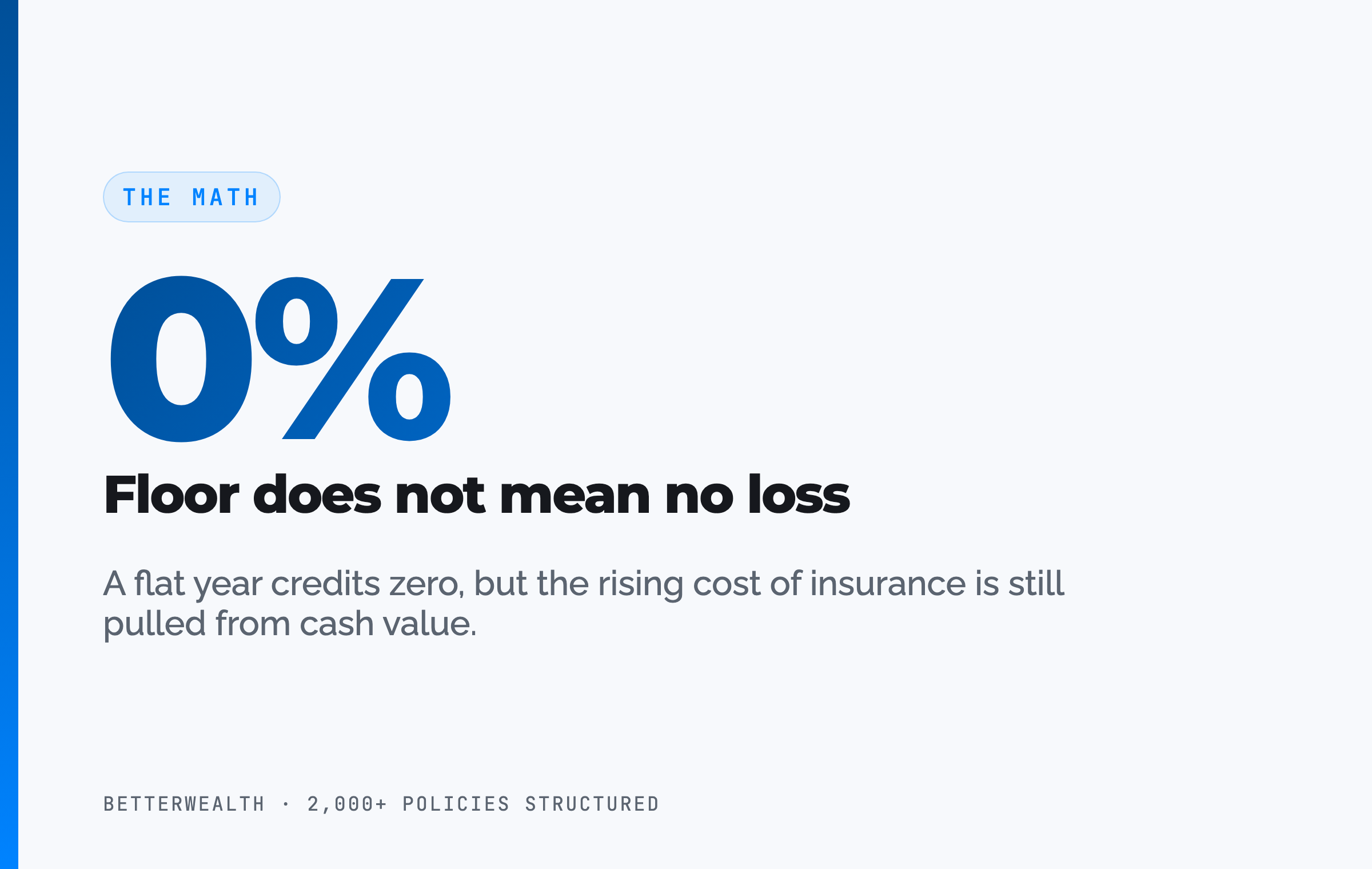
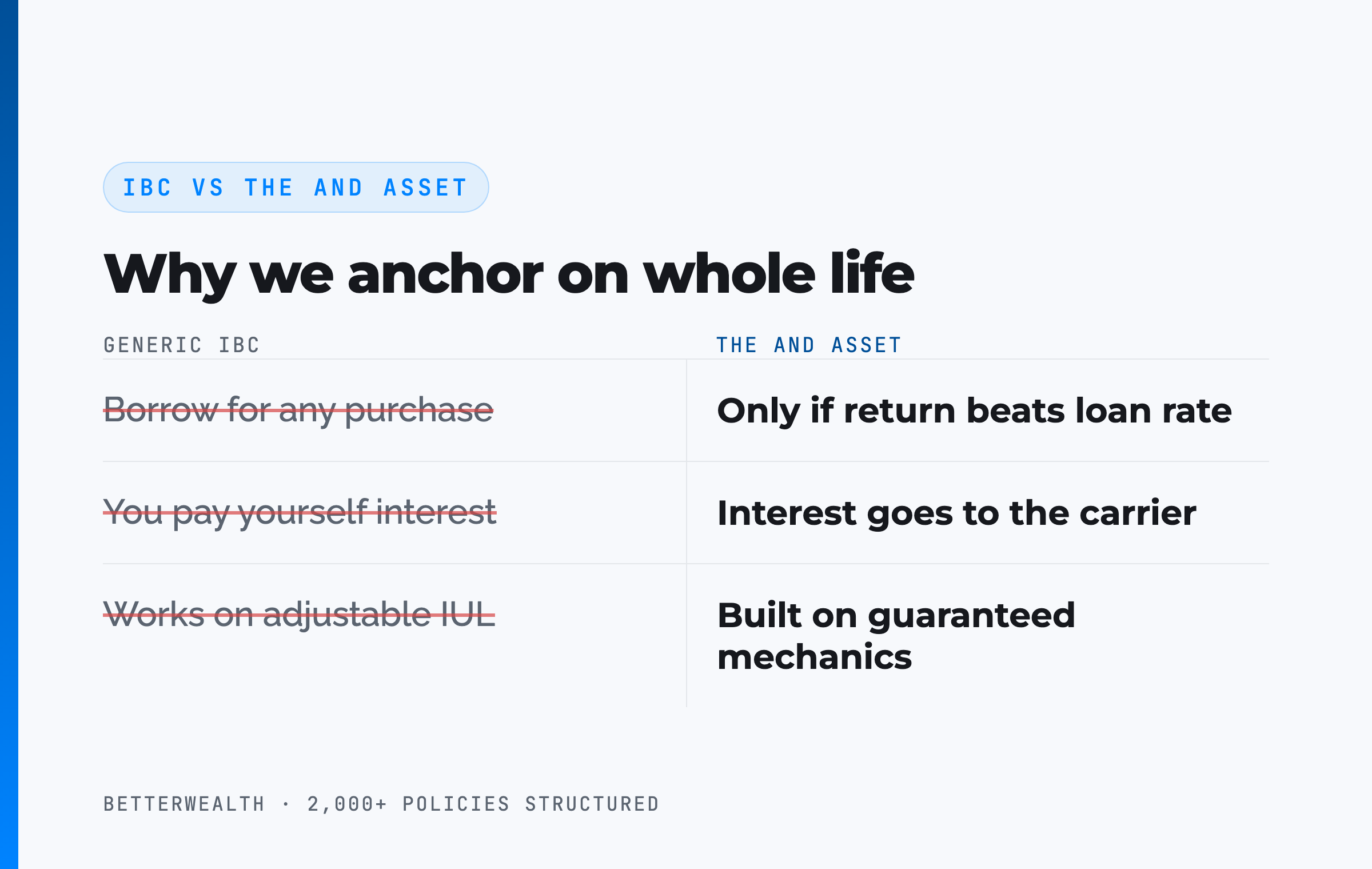
Indexed Universal Life Insurance (IUL) policies operate differently from traditional whole life insurance. IULs offer an investment component tied to stock market indices with a floor on losses but caps on returns, making them more volatile and variable. Whole life insurance, on the other hand, provides fixed premiums, guaranteed cash value growth, and a death benefit designed to deliver stability and long-term predictability.

The lawsuit emphasizes that IULs, when poorly designed, can embed high expenses and feature fluctuating costs of insurance that undermine policy sustainability. For example, choosing a rising death benefit increases the cost of term insurance within the policy, which—when combined with underfunding or poor market performance—can quickly erode cash values and cause lapses. In contrast, whole life policies generally have more robust guarantees and a simpler structure, making them mathematically less likely to lapse when properly funded.

This difference underscores why whole life insurance remains a core tool in many long-term wealth-building and estate planning strategies, especially for those seeking a stable, tax-advantaged foundation.

Mentioned in This Episode

Below are significant entities and resources referenced throughout the discussion relating to the Kyle Busch lawsuit and life insurance insights.

  • Kyle Busch – NASCAR champion and plaintiff in the lawsuit against Pacific Life.
  • Pacific Life – The insurance company under scrutiny for their IUL product design.
  • Life Product Review – Independent analysis of the lawsuit and policy design by Bobby Samuelson.
  • Bobby Samuelson – Renowned life insurance executive and analyst of the case.
  • BetterWealth Overfunded Whole Life Insurance Article – Educational resource on whole life insurance benefits and design.
"This lawsuit is a wake-up call for the entire life insurance industry on the importance of ethical design and truthful representation. The risks in an IUL can be significant, and transparency is not negotiable." – Caleb Guilliams

Key Takeaways with Caleb Guilliams, Austin Williams & Dom Rrufran

  • The Kyle Busch lawsuit centers on allegations of negligence and misrepresentation concerning the sale of Indexed Universal Life (IUL) insurance.
  • Misleading language such as "tax-free retirement income guarantee" created unrealistic expectations not supported by policy terms.
  • The agent allegedly prioritized commission by setting an increasing death benefit to maximize sales compensation, which contributed to high policy costs and eventual lapse.
  • Over a 7-year span, $3.5 million in premiums were paid but $4.1 million in expenses depleted the policy, illustrating how high costs can erode cash value in poorly designed IULs.
  • Properly structured whole life policies are more likely to avoid lapsing due to fixed premium and guaranteed growth components.
  • The lawsuit's exposure is expected to have far-reaching implications across life insurance providers, especially IUL sellers and marketers.
  • Excessive commissions drive product misdesign and agent behavior that harms client outcomes—transparency and fiduciary responsibility are essential.
  • Consumers should be wary of glossy illustrations projecting decades of future income, as such projections often fail to account for the policy’s complexities and risks.

Resources

FAQ: Frequently Asked Questions

Why not just get a secured loan at a bank instead of using life insurance?

A bank loan is often preferable for liquidity and simplicity. Life insurance loans may make sense only when bank loans are unavailable or too costly, especially for business or emergency uses. Life insurance loans offer options with potentially lower interest than credit cards and more flexible terms for certain purposes.

Can I borrow against a life insurance policy owned by my corporation for personal use?

Yes, you can borrow against a corporate-owned policy, but mixing personal and business use can create tax complications. It's generally advisable to keep such uses aligned with business purposes like key person insurance to avoid adverse tax consequences. Consult a tax professional to evaluate your situation.

If I take a loan from my policy and use it to buy an asset, do I owe capital gains tax when selling that asset?

Yes, capital gains tax is owed upon the sale of the asset regardless of the loan source. Life insurance loans are generally tax-free loans, but selling investments still triggers taxable events. The tax advantage of life insurance lies in tax-deferred growth and tax-free loan access, not tax avoidance on unrelated asset sales.

Is whole life insurance a scam because you borrow against your own money?

No, whole life insurance is not a scam. Borrowing against the policy's cash value is like accessing your own equity with additional benefits such as a death benefit and creditor protection. Properly understood, whole life can be a valuable tool for permanent protection and long-term financial planning.

Could I borrow from my policy at 3% interest and invest in stocks at a higher return to pay premiums?

Yes, theoretically this arbitrage strategy can work if the investment outperforms the loan interest. However, it involves market risk and requires careful management. Using policy loans to fund investments can create velocity of money benefits but must be done prudently to avoid negative outcomes.

Want My Team's Help?

If you've been approached with promises of risk-free, tax-free retirement income through Indexed Universal Life insurance and you're unsure, you're not alone. The Kyle Busch case highlights how complex policy designs and hidden fees can undermine your plan. Our team specializes in transparent, properly designed overfunded whole life insurance to help you build a safe, liquid, and tax-advantaged financial foundation.

We offer personalized clarity calls to assess your current policies and goals—no pressure, just clarity. Click the Big Yellow Button to Book a Call and let's explore what it would look like to keep, protect, grow, and transfer your wealth the BETTER way.

Connect with Caleb Guilliams

Follow Caleb on Instagram, connect on LinkedIn, and follow BetterWealth on Instagram.

Below is the full transcript.

Full Transcript

In this episode of the And Asset Show, we are unpacking the $8.5 million lawsuit between NASCAR champion Kyle Busch and the PAC life debacle and what it reveals about indexed universal life insurance. We'll walk through what went wrong, the key differences between IUL and properly designed whole life insurance policies, and why commissions and poor design in a policy can even wreck the best intentions within the industry. And so for us to get started with this episode, what we want to do is we want to pull up the video that has been going viral. So you guys can see first and foremost, if you have not heard about this, what it is that we are talking about. The major news stations here in New York City. And as many of you may have seen, we have a press release out that we are in litigation with Pacific Life in regards to IUL policies and insurance policies that are also retirement policies for planning for our future. And unfortunately, ours did not go well. Yeah, as you'll hear when this broadcast comes out, it was a major scam. We tried to do what we thought was best for our family, for Brexton and Lennox. We were trying to be financially responsible for them and plan for our future. And little did we know that by investing money in this scam, it's all gone. And so the reason we came out here today is, as you guys know who followed us for a while. Every time God puts a struggle in our path, we're going to try to use it for good. And so we're out here speaking out about what happened because this just isn't happening to athletes and celebrities. This is happening to teachers, police officers, veterans. This is happening to widows. These are people who are 70 years old. They have nothing else to fall back on. These are people who are, you know, they've worked hard. They've made a small business. They are ready to retire and they buy into these scams and they lose. absolutely everything. And so, you know, Kyle and I will use this platform to try to do all the good that we can. And so we're going to keep fighting Pacific life and we're going to show the world that this was a huge and utter scam. That's right. So tune in for further updates as we come along further in the case. Amazing. Caleb, Mr. Williams yourself, you are the one who shared this information with myself the first time it came out. You've had some really incredible conversations with some incredible people about the story. She used some words in there that at first you're like, what is really going on? She called life insurance a scam, just period. I'd love to hear your initial take after watching this. Yeah, the first thing is, man, this is heavy. There's a lot of different takes that we can do. I think one take that we could do is be like, hey, guys, we were right. Because I think we as a platform have been. saying a lot of things and calling some people out. And you'll see just in this video as we talk through because we, you know, Austin and myself have read through the lawsuit. There's also some Bobby Samuelson did a phenomenal article that we'll also reference. But it's heavy. And I believe it's going to affect everyone in the insurance space, whole life, IUL producers, companies that are doing it right, companies that are not doing it right. And in one hand, I'm like, happy. to see that someone is getting attention and like putting this out out in front but then it's heavy because then you're just you're we're gonna see a lot more to come and this is a i talked to some insider who's very close to this case and this person said that we we haven't seen anything yet meaning like this this is going to get a lot more exposure and what what's going to end up happening is there's going to be a lot of other people that are going to raise their hand get in line And in one aspect, I think that this is the way that the market responds to things that are not done right. And on another hand, I think there's going to be a lot of ripple effect consequences that are not going to be positive. So overall, we're going to dive in to see what actually happened. This is a classic example of massive misrepresentation, some of the language that their agent used. Some of the things that Pacific Life allegedly, you know, allowed it not not great, doesn't look great. And then the the product misdesigns and it was like, it seems allegedly we want to be careful because it's ongoing. Allegedly, it seems like this was a complete money grab to the extent of hundreds of thousands, if not millions of dollars. And so that that's something that obviously, if you've been following our channel, like we're very very clear with like how products are designed how products are designed like pacific life is not a terrible company they're not a company that's like why in the world did you do like they they're a company that's been solid but like they're they're they in their products they've allowed people that literally can make way more money. And in the process, the client's not getting the better end of the deal, which is like fundamentally a problem. And then there's even things that we dive in, like the agent did a 1035 internal of the policy and got more commission, made them like, that is like crazy to even comprehend. And even Austin, I'm sure you saw this in reading through the agent that they were dealing with had a didn't. share that they had like a criminal record with the state of north carolina yeah so it's like even like we're not dealing with a great issue i gotta be careful because it's ongoing we're not dealing maybe with like a the most stand-up human to begin with and so there's even problems and they're even saying in the lawsuit that this person shouldn't even been able to practice in the state of north carolina because of the some of the things that they did so overall um it's gonna get ugly. I I don't think this looks great for the agent. I don't think this looks great for the insurance company. And we will dive into that. But because of who we are, we have sources. They're very close to this whole thing. I've personally reached out to their attorney, who I have connections with, and trying to do an interview, which I'm sure will be very interesting just to get more of a scoop. but overall it's uh it's this has been like we've got hit up all like i've had people that don't really know anything about insurance reaching out to me asking about my opinion on this so it's it's hit the mainstream news and and unfortunately that the take that bobby takes is there's going to be some a lot of negative consequences around this it's going to affect everybody um and it is just going to be what it's going to be so that's uh it's kind of my overall opinion before we dive into some of the things that have been said he's a he's not just It's a normal person. He's a professional, well-known NASCAR driver. And when you start to affect somebody like that, that speaks out, it's going to be on ESPN, Yahoo Sports. It's going to be all over. So it's very rare that life insurance gets talked about in general. But when it does, it's obviously big. And so here we are. We are finally, all the statements that I finally have ever said about life insurance being the sexiest product on the planet. It's finally happening. Here we are. Hey, Austin. You actually read, I had, I did not actually read the court case. I'm actually curious from yourself. What are some, some key takeaways that you took from the court case that is maybe alarming or eyeopening? Yeah, I'd say the main, the main narrative arc of the court case kind of set around two main premises, which is negligence and misrepresentation is that over and over again, the lawyers, people who wrote, um, obviously the brief, they, they're alleging that. Pacific Life and the specific salesperson who sold these IUL products were engaged in different levels of negligence and misrepresentation. And my heart does like, it breaks a little bit. This is heavy when I read through this because, you know, ultimately there's one level that you can look at this as like, you know, Kyle Busch, he's still wealthy and he's still, you know, he's still famous and he'll be able to like, you know, yeah, the wind got taken out of his sails, but he'll be able to you know, to get back up. But at the same time, what happened to him, like his wife was saying, is not entirely unlike what's happened to a lot of people without the income stream that he has. This is teachers. This is this is people who are just trying to put in an honest day's work. And they were sold this product that seemed really great and that it would solve all of their issues and just turned out not to be that way. And so for that reason, I think this is this is definitely an argument that needs to be heard. And I think that this should... strike fear into the hearts of anybody who is either willingly or maybe unwillingly misrepresenting what an IUL can do for somebody. And I think we need to approach that conversation with the greatest care and the greatest trepidation because a lot can go wrong. It's not a bad product, but a lot can go wrong and people need to be aware. And these guys were not aware of what could go wrong before they got these IULs. So... Yeah, that was kind of the main takeaways is that there were some serious missteps that happened, some very glaring omissions, and some places where, like, as an agent, I'm like, the only reason I would ever do that is to make a quick buck. Like, there's no, I couldn't justify it under any other sense. And so I think that this needs to be a wake-up call for everybody who's doing this because, like, ultimately, you need to be held to account if this is the kind of business you engage in. Yeah. One thing that we can actually do is go through step by step, go through like, you know, what was being said, some of the red flags there and then go into the negligence and then some of the things that they're alleging and wanting. One of the things if we just take a step back, this is not it. The purpose of this episode is not to dog on IULs. Like for those of you that know. you know, where we stand, we're primarily 100% whole life. Now, it's not like we're not saying that one thing is evil or bad or like it's everything has a place. And we've had people on our stages that are work with high wealthy people for estate planning purposes. They do certain product designs. But our take is been really clear. Life insurance is not an investment. Don't lean on life insurance for the tax free income that so many people say. And a lot of when IUL is pitched, a lot of times it's on the back of really sexy income numbers. There have been people that even take it a step further and do internal leveraging and all, and all this stuff on paper looks incredible. It looks like blows everything out of the water. And like, like that's, I want people to know that leverage wasn't even involved in this. Like leverage, leverage was not even involved in this. So some people speculated early on the fact that you couldn't lose over $8 million was their premium financing that went wrong. That didn't even happen. Can you imagine putting leverage inside of a policy that doesn't perform well or doesn't do things? It's even worse. And so like, that's really like the message. And it's like, it really is frustrating when it's like life insurance is not an investment. And yet there's so many bad actors out there and so much bad information. And that's one of the reasons like when you look at a lot of network marketing style companies, the main product that they're using is these index universal life products. They're saying almost the same thing. Like nothing that is said in this lawsuit, it's like crazy. It's not like there's some things that are not, not good. The red flags, like tax-free income, retire tax-free retirement plan for life. Not good. You should not say that. And yet a lot of people say that in their marketing. Um, and, and what this is just doing is it's exposing a lot and there's a lot. other areas for IULs to go wrong. Not to say that they're all going to go wrong. There's a lot more areas for them to go wrong and a lot more moving parts. And this is like a classic example of not just going slightly bad, but going really bad. And so it'll be very interesting to see what happens. And one of the things that even Bobby said was today, you can figure out illustrations to still get around what happened over five years ago, which is a problem. And... It's a major problem. So while hopefully this will shed some light, it's going to, unfortunately, it's going to bundle everybody, the people that are doing it well, the people that are working with companies that are getting paid way less, structuring policies way different, even doing things like whole life that are not even the same category. The life insurance brand, it's going to get bundled in. And the word scam is something that we need to push back on. They may have felt that they got scammed. And when we look at this, we could potentially say that they did. But life insurance is not a scam. But this was designed in such a way that hurt them. And so we need to acknowledge that. And that's what's tricky. It's tough to say that there are certain products in the life insurance space that show up. And majority of people, including people in the space would say, yeah, that checks the box of a scam, which is really strong language. but the This lawsuit is very much giving teeth to that language. And so we're going to see for years to come, lots of people who are anti-life insurance. This is going to be like their thing that they're going to push out. And that's why we're going through this to say not all life insurance is this way. Let's talk about where it went wrong. And so, Dom, I don't know if you want to say anything until we can get into the misleading language. First and foremost, things that you should avoid if you're talking to people. and as a consumer. You should know like insurance got a lot of benefits, but you should not be doing life insurance for these certain phrases. And Noah, I love that. I think what we should do next is we should definitely bring it in from super high level and we should start talking more about the nitty gritty and talk about what went wrong and how we can essentially be better. And what was this unfortunate event, how it could have been avoided if we would have maybe designed it differently, et cetera, et cetera. And so... With all that being said, if you guys agree, let's go ahead and get out there. Let's do it. Okay. So Austin, I'll take it first, and then you take it from here. So when we talk about the misleading language, and we'll have all the things that we're referencing down below. On page seven, they talk about how they met the agent, and the agent came in as their full wealth planner and very much. They're making the argument that this person had fiduciary, like they were involved in almost everything. And you said certain things like they would work with athletes. and that they had a proprietary way to help you know in institutionally engineered way to help athletes and then use language multiple times in this lawsuit tax-free retirement plan for life that was actually in the email and then they also the word guarantees um with um with an iul product where it's like That, that can be misleading. What are other words that were used that were, that, that, were red flags just in the misrepresentation of the product? Yeah. Yeah. The, and this is, this is a line that I'm always very careful to draw for anybody, at Better Wealth is that, you know, if the line between fiduciary and sales agent, like I have to be very clear is that like, you know, in, in the call, when people are calling in and they're inquiring about life insurance, you know, I, you know, Even though like some of us on the team, like we've taken the Series 65, we could be financial advisors if there was a seat for us at the company. I said in this call, I need to be very clear that I'm a sales agent to you. And so, you know, I can't be giving you financial advice on what you should do, you know, generally speaking. So the fact that this guy was like representing himself as the connected to the home office was also the words that he used, you know, that that he had like these special connections inside PacLife and that he was a. holistic sort of retirement planner and wealth strategist, that kind of opens this can of worms into like, okay, there's a much higher fiduciary responsibility you have with somebody as a financial advisor. And as the lawsuit was alleging that this was a standard that he consistently failed to meet, which is like putting the interests of his client before himself, because there was several things he promised, like you said, Caleb, like he guaranteed retirement, tax-free retirement income for life that just didn't pan out. And I think the Bushes are justifiably upset to lose $8 million. Eight and a quarter is what they're alleging, that they lost just in pure money, not even investment opportunities, what they could have grown to, but just $8.25 million that they lost by pursuing this. And the word guarantee, just to be clear, life insurance has guarantees built in. So like, let's take whole life, for example, whole life has stronger guarantees. And that's definitely a talking point where it's like, hey, you can put your that's why it's not an investment shocker, because there's certain guarantees built on. But just because there's guarantees doesn't mean it guarantees income for life. But that's a that's a misrepresentation of the word guarantee. And so that is the that's the underlying issue where it's like, yeah, there's certain guarantees. But But don't try to strip that language and then take that language and say that there's guaranteed on the other areas. Yes. Just because guarantees exist in some kinds of life insurances doesn't mean that they exist in all kinds. And especially in a product like IULs that have so much variability that are an investment because they are volatile. And the word is just definitely misplaced in the way that it was used. Absolutely. One of the things that we've done many videos on, and we've talked to even Bobby Samuelson about this, is anytime you're using income in the future, 15, 20, 30, 40 years, and you're projecting income, that's a red flag to begin with. Can life insurance be a supplement for income? Yes. For us, we even like it more as like a, can you understand how life insurance can enhance other assets in your life? Yes. But But looking at an illustration today, projecting 30 years out, and then showing income can be misleading on a lot of areas. If you look at whole life, there's so many levers that you can pull. It's like we're based on today's illustrations. There's not a lot of arbitrage you can do with loans. So it's like you kind of get what you get. Will dividends go up and down? Yes. And so we still would not do that. But there's a lot more rails in place. Hence, What people will say with IUL is IUL can blow a whole life out of the water. Like they can just trash on whole life. Why? Because there's a lot of things you can do in a hypothetical world that can make the income 30 years later be so much greater. And oh, what do they say? It's all tax free. If you're listening to this, I'm using quotations. It's all tax free. It's exempt. It's tax exempt cash flow and all these things. They're using all the same language and they're showing. numbers that are rosy that like we've said multiple times it's just not going to happen it's just not going to happen and as a result we're seeing we're um we're seeing you know there being consequences for for that so is there any other thing before we go into the negative like because there was also like just balls being dropped um big time uh but was it is there any other language that was being used austin that you were just like this is this is red flag nothing is before we get into like the the negligence and the misrepresentation i'd say nothing else comes to mind that was a red flag but if there's something else that you're thinking of please no i i think we i think we funded that that that pony up so so now let's talk about the negligence And this is where I think Bobby took a big, like rightfully so. He's just like, hey, Bobby Samuelson actually saw these policies. And he's just like, these things were designed for maximum compensation. There's allegedly they promised something about switching a life insurance, like option A versus option B. That never happened. And then there was a 1031. inside the inside the same company where more commissions got paid yeah um those were like three things that i was just like i could not begin to comprehend those those things but like when you start adding that up when we talk over and over and over again about the though if you're going to do a permanent policy for cash value one of the things that bobby mentioned is there was nowhere that the client said that they cared about death benefit we could say hey death benefit matters, death benefit matters, but if a client was coming in saying they were really, really clear that they were looking at this as a retirement supplement, really, really clear in their language. And yet when you look at then, why were you setting up the policies to do certain things? It's like, it just seems like there was a total ball being dropped, might be generous. The other aspect was the agent saying like, hey, this is a money grab, allegedly. I'm going to be able to take out hundreds of thousands of dollars more. and He probably believed that the product was like, I, I'm trying to be as give him the benefit of the doubt. He probably believed that the product, he probably drank the Kool-Aid and he's like, Hey, even with all this stuff, the illustration is still rosy. And so we're good to go. Um, and so I don't think he would have done the same thing knowing what he knows now. You know, I think hindsight's always 2020. Um, so that's like giving him the benefit of doubt, but it, it, it, it seems like what other justification do you think he could do? with some of the balls being dropped that were clear in this lawsuit? Yeah, great question. So if I had to kind of break down, pick where some of these different balls that got dropped, one of the things that you mentioned, so in an IUL, and it's important now to kind of detail the way an IUL works in order to understand why this choice was made and how it does not make sense is that. You can either choose an increasing death benefit for your IUL, or you can choose a level death benefit. And this agent, and what the lawsuit is alleging, is that they chose an increasing death benefit because it has a higher first-year commissionable target. And the commissionable target is what the life insurance agent gets paid off of. And so, for whatever reason, even though, as you said, the death benefit was not important, or mentioned at least, by the plaintiff, is that the agent set the death benefit on a rising trajectory, which gives it a higher commissionable target. But the plan was a year after that to switch it to level. And this becomes important when you understand how an IUL works, is that in IUL, you have your cash value, and then you have your death benefit. And the amount of distance or mileage between your cash value and death benefit. is what you pay for in term. And so as long as your cash value and death benefit are relatively close to one another, then it's fine. But if there's an increasing amount of distance of your death benefit over your cash value, and particularly if those proprietary indices aren't performing very well, you're going to hollow out your policy with the rising cost of term insurance. So in doing this, yes, he gets a higher targetable commission, but He doesn't, for whatever reason, then change the death benefit to level in year two. And so he kind of sets the stage for the eventual hollowing out of this policy over the next few years, because now it's rising death benefit. No more premiums are getting put in. And there's just this increasing cost of term all of the while. And none of this, it appears, was communicated to the clients that this is what's happening if you're going to then stop. Because like you said, Caleb, we're not anti-IUL. They're the right products for the right person with the right goals if they're max funded and they fully understand the risks. It's the right for the right person. Yeah. But it's so important to understand the risk that you're taking on by going down that route because you could end up in an unfortunate situation like the Bushes. So that was one of the big ones that got dropped. And I'm just pointing this out not to say we're greater than now kind of deal. It's just an example. So they put $1.5 million into life insurance first year. And what Bobby is... saying in his article, and again, we'll link this down below, is that, you know, the target could have been north of $500,000. Okay, so that's, that's a great, that's a great payday, no matter who you are, like, great. And allegedly, it got brought up all the way to the full 1.5 million. That's, that's wild. So potentially a great another million dollars getting paid. And just, just so you know, like we've, we've in the past, we've, we've had clients that have paid in big premiums and even premiums greater than this greater than this and the commission is a fraction of even the 500 000 now we're not saying that that's like you know uh whoa like we're we're better we're just saying like there is even you could even argue that the 500 000 depending on companies and structures was high and like that that could be five to six times higher than even what we would do in the... the companies that we're working with. And it's not like we're just saying like, yeah, we don't like to get paid. It's just like, no, that's the right thing to do for the client. And we still get paid really, really well for designing these things properly. But as I'm looking at this, I'm not saying this is the reason why a lot of people do IUL, but it's, there's no secret, like people straight up can get paid a lot more doing IULs. And the other thing that I'll say is if this happened with the Bush is imagine the, the, all the people that are selling IULs and then leaving the business or can't make it in business. Now their clients are going to someone else who's not really always looking after them. And so if this level A and B got mixed up with super high net worth client, imagine all the smaller teachers, the people putting in $10,000 a year, the $5,000 of $300 a month, like imagine them being forgotten about and not having the representation to be able to actually say anything. And so that's, that's where it's like. And we've been saying this for years on years. It's like IUL in a perfect scenario can work really, really well. There's a lot of moving pieces and those moving pieces are not always good. In fact, I think David McKnight said like sometimes the flexibility of IUL can bite you in the butt. This is a classic example of flexibility being you could even call it more complexity. And it's pretty not cool for something not just to like not perform that great, but like. potentially blowing a policy up. So I just, I don't know, again, I feel like I'm on my high horse. I just like, I just wanted to like create a little bit of like overview of when we're seeing this, not to put every person in the same bucket. Yeah. Yeah. Dom, what are some of your thoughts on what me and Caleb have been discussing? Amazing. Yeah. I just also want to be clear, just in regards to something that we're discussing and talking about, a big shout out to you, Bobby. in regards to the article that you wrote. If you guys are watching right now and you guys want to look at more in depth of some of the things we're talking about, Life Product Review is how we're getting some of this information and some of the stuff that we're reading. And when I read the article that Bobby wrote, he does mention the increasing death benefit to level death benefit ratio. And it was supposed to essentially like stop at year two to make it level. I don't know if that actually did or didn't happen based off of what I read, right? What I do know is that That actually still could have happened where they started off as increasing year one and then level year two. That may have been the case. But what I was reading is that it was not necessary to do that in year one, even from the get go. And the reason why they did it is so that they could reach the $1.5 million in actual targetable commissionable premium. Allegedly. We'll get a teacher. Again, from a justification perspective, there's literally no other reason you would have done that. Right. So if you're like trying to explain like, hey, like I did this so I can increase the amount of premiums that could go into avoid the quote unquote MEC. Well, you could have done that with the switch of going from the CVAT, which is essentially a fancy life insurance term that allows you to do that, but doesn't increase the commissionable targetable premium. Right. And it would have just been one switch that would have made the policy that much more efficient and that much better. And one of the things that Bobby said at the very beginning of the article that I really loved was he talked about like this product, permanent insurance. It's very simple. right you essentially have life insurance that has two functions you got premium going in right then you got the policy charges and then everything left over that's what accrues interest right and it was like wow it's like what goes in you got the expenses and whatever's less it gets compounding interest to it and if that's the case and you have a policy that has a zero percent floor so i'm allegedly supposed to put 1.5 million dollars in as a zero percent floor how does that elapse well in theory policies that are max funded right in the ways that we design them with whole life and overfunded up to the mech limit with iul they're actually mathematically impossible to mech or excuse me to lapse if you fully fund them right but one has to be designed that way and it has to be fully funded so that would state that the only reason that this policy lapsed was because of astronomical expense charges and what ended up happening was Over a seven, five years window, $3.5 million went into the policy, but there was $4.1 million of expenses that ate away at the policy, which caused the policy to lapse. So again, it had nothing to do with IUL as a whole, had everything to do with how the policy was designed, but not also just the way the policy was designed, but specifically PacLife with the product. And the amount of commissions that they're paying to incentivize these agents to write this. And because there's so much commissions going out, there's higher expense charges, which also eat this away. Because he also stated in the article that if he would have wrote this with any other company, period, nothing changed, designed the same exact way, the policy would still be enforced today. Now, there could be a world where down the road it still would have maybe lapsed because of the way that it was designed. but There also is that because, you know, his family, they weren't actually putting the full amount into the policy either. They were actually paying it on a semi-annual period. And then instead of it being the full $1.5 million that was actually targetable, commissionable, that that was for, they actually were only paying $750,000 as well. So when you have $750,000, half the amount that's going in, you have all these extra high expenses and charges that are going into the policy. the most the uh the, the, the most expenses that you could possibly do point blank period. And, but what the craziest part about the whole thing is that what you guys are saying is when you look at the illustration and you look at it on paper, it actually shows that it was going to pay many, many, many thousands, $700,000 plus per year for 30 years of quote unquote tax-free income. And they did everything that they thought they were supposed to do. I meet with the guy, I see the illustration, I pay the premiums, and I'm going to get $770,000 of 30-year tax-free income. But here we are today, and we're talking about the story. And so there's a lot underneath the hood that people probably on the outside, they just think, oh, like IUL. But there is so much more underneath that. Because on top of that, if you actually look at, there was a cert charge to the guy's death benefit as well because he was a NASCAR driver. And because he's a NASCAR driver, the insurance company are saying, hey, you're more risky. So therefore, because you're more risky, we're going to charge extra to this death benefit. So now you've got high charges, high commissions, high death benefit expenses, paying half the premium. Well, of course, it's going to of course, it's going to explode and it's going to implode. And this is where the risks come into play. It has nothing to do with literally IULs itself, but everything with, in my opinion is just greed because like you said, Caleb, he could have wrote this well with a different company. He probably could have made 200 K. He could have wrote this better with this company and made 500 K, but instead he chose to go, let me write the worst way and let me go make 1.5 million instead. Yeah. So it's, it's almost tongue in cheek. Of course, the proprietary product, you bet you there's a proprietary product, engineered depending on how it's engineered, who it benefits. benefits. I mean, time will tell. Here's the... I was going to say, and this is actually the problem with the industry as a whole, especially in the IUL side, is that there was no regulations in regards to how these products would essentially be presented and shown, especially when it got started. Then AG49 started coming to play and was like, hey, we're trying to protect the consumer. It's like, well, okay, if the product would have been written today, quote unquote, would it have been protected, this consumer? Because this was written before AG49A was actually written because it was back then. Studies actually show, based off of what Bobby's saying, is that he could have wrote the policy a week ago. And it still probably would have came up with the same result because these insurance companies are still finding backhaul loopholes to be able to show numbers that are overly extravagant to the actual performance of the policy. Most people have no idea where to start or how to really evaluate whole life insurance. That's why we've built the vault. It's all of our best life insurance resources and educational tools all in one place, all for free. We have calculators, handbooks, crash course, deep dive videos on numbers. If you want to learn more, click the link. in the description or tag comment below to unlock the vault. All right, back to the video. Which is the point that I'm bringing up next is if we put our hat, if we like our objective about this, we're probably more in the camp of anti-permanent life insurance than you might think. Because it's ironic for us to say that out loud because we are, our main business is helping people with this. We have clients all over the country. By the way, if you have a that you want us to take a look at. like IUL or Whole Life, or if you just want to talk to someone on our team, we do this day in and day out. We got you. We'll take a look at what you have and do our best to show you exactly, no fluff, what you have. So it's like, it's hard for me to say this out loud, but we're a permanent life insurance company that's probably anti-95% of how life insurance is being sold, which is actually like This is where it's just like, no, I'm on the side of a lot of people out there. It just is kind of weird because I'm like, I'm with you on all your talking points. And I still love life insurance when set up and used properly. It really is an awkward place to be in. And it would be so much easier if we could just be like, you know what? We're just going to, all insurance is terrible. Let's go sell investments and other strategies. And it's just like, no, my conviction for life insurance has never been stronger. But it's got to take a totally separate bucket of how you're thinking about this. And it's unfortunate. And it's, yeah, I don't know. I would love to hear, Dom, your take on just that whole thing. Being in the space that we are, we don't want to call ourselves anti-life insurance because life insurance as a product can be amazing. But what happened for Kyle is not a one-off thing. This is happening all the time. and you have people rightfully so calling out, unfortunately, they're bundling everything in. And I don't blame them because it's just going back to the Dave Ramsey. It's not, it's like, his message would be way less effective. It's like, some debt is bad. Well, now you give people options and like, how do people actually know? We put content out. People feel like they can trust us because we have content out. We try to be very transparent and all these things, but it's still them taking our word for it. Like what? And I'm not a fan of, like, let's create more regulation because when has that ever, like, when has, like, the government getting involved, like, really, really helped? And you even see that there are regulations and then these companies are figuring out creative ways to get around them. So, like, there's got to be some type of thing. And I asked someone, like, very influential in our space. I'm like, why aren't wealthy people, like, why isn't it, like, a standard for them to, like, pay for advice, like a third party? And this person was just like. they don't want to pay. I'm like, you're telling me like, someone putting in one to $2 million wouldn't pay a few thousand dollars to have someone third party take a look at it. Like all of that would have been avoided. If this would have happened. And it's just like, no, they just don't. They don't do that. And I, I'm not saying that that needs it like that, that goes, that goes even against what I'm saying is like that needs to happen. I'm just saying like, we got to do a better job. Like personally, as like, this is motivating for me, we got to do a better job. They like get people to start knowing some of the talking points. coming to companies like ourselves to even get a second look at something and we may want to even like have a side of the business you let us know if you'd be interested in this to have like hey if you don't want to work with us but you want to get a third party's opinion maybe we find some like um way to get compensated just to give people like a second opinion um because unfortunately a lot of people that are looking at insurance don't know anything about insurance and so it's like yeah you could you have someone give you a second opinion but if they don't know anything about insurance their whole incentive structures just tell you it's bad. And so all that's to say, I know I'm saying a lot, but it's just, it's frustrating and it makes me more motivated than ever to get the proper education out there because I don't want insurance to go extinct. I don't want insurance to be like the thing that people just think of it as a scam, but I want people that are in this space to have like a higher standard and say, No, we got to do this right because you can take advantage of it. You could. Are mortgages a scam? No. But if you get someone into a predatory mortgage, it could drown you. It doesn't make the mortgage a scam. It could make the process. And this is an equivalent of someone saying, oh, I got you underwritten. We're going to give you a 15% mortgage at a 10-year deal. Like, that's the equivalent of that. We're not saying all loans are a scam. We're saying this person got crushed in the way that they didn't have a second opinion. Because unlike mortgages, there's rates. There's a market. You can go compare. And unfortunately, insurance is so misunderstood that people... can't do that and i almost feel like as i'm talking like we got to do a better job making it like democratizing the ability to for this information to get out and like even like why can't people like we got to just figure out a way for them to be able to go and say like here's a product design what's the most efficient way to optimize a product with x y and z company and for them for them to see the truth amen and this is actually something that i Personally, it's been on my heart for a very long time, even before stuff like this came out. And when we started creating content like really heavily five or so years ago, we started seeing the other type of content that was quote unquote out there. All I've ever wanted to do was just be a voice of truth, not overhype it, not undermine it, but just talk about what it is. And that's why I do love people that are in the space like Bobby and himself, because I just say like, how would this individual that's highly sophisticated, very mature, very stoic. speak about financial products and speak about life insurance. And that is what we want to be represented as, as a company that just represents the truth and just talks about how life insurance works. Because at the end of the day, that's what's getting people into trouble is that they're overhyping it and they're being driven by greed. Greed because they say, oh, I can make a ton of money if I sell this product. And therefore I'm going to do whatever I possibly can to twist a story to get this person to buy. And then the... the worst part about it is there's likely somebody else on the other end of it that's teaching them that this is actually okay like hey you can do this the product's not gonna lapse don't worry we'll pay you a ton push this to as many people as possible and you're essentially gonna win because you're gonna win the client's gonna win and we're all gonna win and i feel very bad for people today because there's so much misinformation that's out there in regards to products financial products he say she say people saying that this is a scam people saying that this is good And it's like, well, where do you go? Where do you start? And I think now, now more than ever, people are starting to wake up that they probably need to start doing their due diligence before they start making any decisions and they take longer for the buying process. Or people just become analysis by process and never make a decision because they're so afraid that something bad is going to happen. And so at the end of the day, for all of you people that are watching, all of you agents that are watching, you have to be the voice of truth. You have to stand strong. You can't be driven by greed. You can't be driven by fear. understand how the products work, speak truth about the products, and making sure that you ask the great questions to be able to find out if this is going to fit for them or not. Because what Austin and Caleb were saying is based off of the case score and also what Bobby was writing, is that this policy was written for extremely, extremely high death benefit, but nowhere, nowhere in any emails, nowhere in any conversations was it talked about for taxes or talked about for estate planning purposes. And that was the two reasons why you would want to write a super high death benefit. But the only language that was actually used was talking about using it for tax-free retirement income. And when you're talking about tax-free retirement income, cash value would be the focal point. But then you design a product that has no cash value. It's eaten away by fees is ethically wrong and immorally correct when you're talking about these products. Well said. Well, well said. Well. Hey, there's a couple more things I even wanted to say about the policies that we didn't even touch on. So something that, Dom, that you had mentioned earlier is that we don't actually know if they turned off the death benefit from rising premium to level premium. And on page 22 of the lawsuit, the lawyers are alleging that that turning off never actually happened. So the actual language that he uses. Then after securing the highest possible commission, he failed to switch to level one after year one, leaving the net amount at risk and COI charges unnecessarily high across the portfolio. Right. So there so this like there's just so many seeds of the demise of this policy in particular that where it's like there's a lot of things that went spectacularly wrong all at once. And I think that maybe most people don't experience every single one of these things going wrong in an IUL, but the Bush family kind of experienced all of it. Going wrong on the time is that, okay, so maybe you had a really high, unnecessarily high first year premium, a million and a half, and then year two onwards, you're only putting in $750,000. It's not a killer. It's not great. But then you now have a rising death benefit. Okay, like not a killer, but if you could just, if you max contributed to the IUL, if they had put in the most amount of money possible, as Dom said, statistically speaking, it would be very unlikely to have lapsed or anything that happened. But the fact that they have this rising death benefit, they're not max funding it. And in fact, there was, it's not even like they just continued putting in 750 for a while. It was, there's actually language in one of the emails from the person that they were, the agent. that reference a final payment. And so this thing was designed to be paid for a certain amount of time and then be done. And when you have an IUL, the way it's going to work is that it's not like 10 pay whole life products where it's only 10 and then literally no more is needed. If you decide to not put in premium in an IUL, it's essentially going to take it from your cash value. And if your proprietary indices are performing well, then it's not an issue. But But if you have to do that and your proprietary indices aren't performing well, then it's going to eat away at your cash value. Your cash value is going to get hollowed out. And then ultimately, once again, you're paying on the difference in term between your cash value and your death benefit, which is high, all of which are a recipe for disaster. So there's just a lot of things that all kind of happen to go wrong with this policy all at once. And I feel really bad for the Bush family. And the thing that we haven't mentioned yet that happened to you is that 1035 exchange. is that in year one, they essentially had their clients take a bath and be like, hey, you have this really great product, but they just came out with an even better product. And that is, I think, kind of failing the fiduciary responsibility. That has actually come up even in my time since being at Better Wealth, where one of our carriers had a great product and there was even a better product they came out with. And one of our clients was like, hey, should I 1035 this? And I was like, no, you have an amazing product. The amount of gain that you'd experience by switching to a better product. would pale in comparison to the bath that you would have to take in order to go from here to here. Like you have a great product, just keep it. The fact that they had them switch to a new product with a slightly higher guaranteed rate of tax-free retirement income, I think it was just totally abdicating any sort of responsibility they had for keeping their best interest at heart. So yeah, just a lot of things that went wrong all at once. And I think that as agents, we need to learn from this because like Caleb, you're saying, and Dom, you're saying we We want what is best for our clients. And we ultimately, we want them, we want to make, you know, intentional living the new wealth standard. Right. And so we, we want people to succeed. We were never going to sell people something that we don't believe will help them succeed. Um, and this just gives me extra fuel to never like to see that like, man, like just because it is a great payday, just because it looks good on paper does not mean this is actually going to help the client long term. I think a good litmus test is if this was shown to the world, would you be proud or not? And that's just like, hey, we assume any time we do business with someone, because we're such public figures, at any time they could show it to the world, and we want to be able to stand by that. I may have said previously that it was a 1031, and I misspoke. It was a 1035, so thank you for mentioning that. And in case I missed, because when you said that, I was like, man, I may have misspoke. I meant to say 1035. So that's, thank you for mentioning that, Austin. Yeah. The thing about this is that when Caleb said, here's the living test, would you want to show this to the world? On paper, yeah, you'd want to show this to the world because if you look at it, it is an incredible product. And they're like, it was amazing. But obviously underneath the hood, it's not a great product by no means or imagination, right? Something else that you guys may have or didn't know based off of what I read. is that in IUL, it's got caps and it's got crediting rates and it does incredible, etc. If in the right circumstances, right years, all the stuff designed well. This product specifically, instead of using the S&P index, was switched to a fixed rate instead at 2.5%. So now you have this supposedly product that's supposed to get these upside returns. But instead of them turning on these upside returns, they keep it at a fixed 2.5%. It's like, whoa, when I read that, I was mind blown. And actually, the policy could have actually saved itself if that was the case. Because February 2024, when that actually like the the sweeping crediting when an F policy actually treaded, the S&P that year got 21%. So we got 21%. But instead, it got 2.5% because it was on a fixed perspective. So I don't think that was in the lawsuit, but I did read that in Bobby's article. So I wonder if there's a reason they didn't put that or if that was just. They didn't put that in the suit. But yeah, Bobby in his article mentioned that. And when I read that, I was like, you can't make this stuff up. Like, how could this have gone so badly? You know? It was almost like he had a vendetta for the family where he was like, I'm going to make as much money as possible and intentionally have them lose as much as possible. Because there was so much negligence that was actually done within that. Allegedly. Allegedly. Yeah. And something. And something that I also think is just like from like being a product nerd that I thought was cool in the article is that they set this up as like a five pay. And I've always told people like, hey, how long do I have to pay on these things? I usually tell people when I'm in conversations, at least seven years is how long we want to pay this for because of the seven pay premium test. And so because it was also for five years, it made the policy less efficient as well. And all they had to do was instead of going 1.5 million, they could have made it for 1 million and spread it out over a little bit period of time. But if they would have done that, they would have got paid less money. So again, all of this comes back to the same thing, which is greed, higher commissions. There's really no other way to point to it. I'm very curious if they're able to weasel their way out of this lawsuit because it doesn't seem like there's very much evidence otherwise that it was based off a good merit. Well, and I would love to know, and I don't know if we'll ever know, is like why Pacific Life let this come to light? I mean, I don't know why this wasn't settled behind. I just like, I'm sure hindsight's 20-20, but I'm just like, this is not, it's not going to be good for the company and not going to be good for the company at all. I bet you that their numbers are going to be way down this following year, way down. So we'll see. I mean, this is a company that has commercials on the biggest channels during the biggest sporting events. So we'll see. We'll see how it goes. I don't necessarily think, as Bobby said, all publicity is great publicity, and I don't think that this is going to go great. Why don't we transition over to the Q&A questions? Man, we spent 51 minutes chopping it up on this, but this is good, and this is the main story for a reason. Okay, so first question is, why not just get a secured loan at a bank instead of going through all the complexity of using life insurance? Whitney asked this question. That's a great question. And the answer to that is exactly our talking points. If you can get a bank loan for a home, for a car, or for something else, my default would be go get the bank loan and keep your money liquid. I mean, just imagine if I could get a bank loan at 8% and let's say using my insurance policies at 7%. On paper, it might even make sense for me to get the 7% bank loan or my policy for my policy, but I would still choose to get the 8% bank loan, keep liquidity, and, you know, maximize on trying to save as much money as possible for that same reason. Now, there's a lot of areas that you can't get your bank loan. Like going to a bank and saying, hey, I got a business idea. Oh, hey, I want to go on vacation. Guess what? Instead of a credit card being 20%, 30%. 30%. interest. This 7% interest is way cheaper. So there's certain things that you can't utilize a bank or the terms are way less favorable. This is where life insurance really shines. And then the people that still use it for cars and mortgages, they have their talking points. I don't necessarily 100% agree with it, but I did do an episode with Mr. Burr. It's on the Better Wealth channel where we walk through our differences of buying cars. He uses his policy to buy cars. I do not. We talked about that. And he even said he wouldn't use it to buy cars if he didn't have so much money. It was like a, it was like a cool little flex that he did. He's like, I have so much money that yeah, it doesn't hurt. Do I agree with that philosophy? Personally? No, but I still like, I think it's important for people to see both sides. And so that's how I would answer this question. I don't know if Dom or Austin, if you have any two cents on this whole thing. Yeah, I think what I would add to it is it all depends on why you got your policy is that if you got your life insurance policy and the the goal that it helps you achieve was, you know, stability, peace of mind for your family, having, for instance, maybe like an emergency fund or something, then does a one percent arbitrage. Is that really going to get you close to your goal of stability to then have to leverage that and then not have it if an emergency comes up? Probably not. And also, I say if you're kind of have it with a mindset of like, I really want to put this money to use. If you, you know, you'd have essentially a 1% gain by going to the bank, like you'd have, I guess, 1% more loss if you had to choose a bank loan. But if you think that there's some income producing activity. that you can earn 10% or 12% on, well, then it's going to make sense to just get the bank loan and then use that money for whatever that income-producing activity is because you're going to outperform the loss that you're taking by taking your car loan to the bank. Exactly. What's the value of optionality? Whitney, I would just say, with quick, you just said it, go get both. Call it a day. Nice. All right. I'll take this one. can I borrow against a life insurance policy for personal use if my corporation owns the policy and I'm the sole owner of the company? It's Max M right there. So Max, quick answer is yes, but a very, very, very quick follow-up to that is why. Because if your corporation owns a life insurance policy and you borrow against it for any reason, like let's say you want to go on vacation, um What you're doing is you're essentially co-mingling at that point the reasons for why your corporation exists and the reasons why you as an individual want to use this policy. And if you do that, then you're going to have to pay taxes on that like you would have if just you owned the policy and were using it for personal reasons. So, yes, you can do it. But realistically, the only time when it could make. sense, like business sense to do it, is if the reason why you're using the policy or barring against it is directly in line with the reasons why your corporation exists, whether it's key man insurance, whether it's some sort of buy-sell agreement or whatever, is that really those are going to be the only times when you're going to be in an advantaged place. Otherwise, it's going to be treated as if you own the policy or barring against it for your own reasons. it could just get messy. So yes, but why would be my kind of answer to that question. Yeah. It's very common for people that are business owners to own the insurance policy personally for that same reason. And so I think that was well stated. Amazing. All right. So if I put in 100K and only access 70K after the first year, and that 70k is a loan I have to repay. How does that make sense? Why not just keep the 100k? Our first bar start saying is maybe you should keep the 100k. That may actually be the best bet for you first and foremost. Secondarily, to answer this question, we need more context in regards to why you would may want even something like this. For us, when we're having conversations with people, this isn't a short term conversation. It's more of a long term mindset. And yes, you will have less liquidity in the first year of the 70K versus the 100K, but there's so many benefits that come with it and why somebody may want this. And so you get protection over creditors. You get tax advantages when you're essentially using it. You get the death benefit, most importantly. So that $30,000 gap that you're essentially missing out on, you get death benefit protection for your family, which also gives you long-term optionalities for the future. And so when we're looking at this policy specifically, if you're looking at it in a box and you're saying, hey, I got $70,000 here, $100,000 over here. Why would I want to do this? Well, if you're looking at it in one year, that is true. But long term, if you, let's just say, kept this going and you had $100,000 that's going into your policy every single year or $100,000 that's going to be set into a savings account. You know, long term, your savings account is probably going to be close to, let's just say, 2%. Let's take in the years where you can get. 0.1% in the years that you get 4% because interest rates vary. You're going to have more actual liquidity as well in this whole life insurance contract because it's compounding over periods of time. In 10, 15, 20 years, you will have more. Plus you have the tax estimate, all the things that I just mentioned. So that's a great question. And I would just say, if you're looking at it in a box and you're looking at a year one, you wouldn't want to do it. But if you're looking at a long-term and all the other benefits that come with it, then that's why you'd want to use something like this. Yeah. The death benefit has to have some sort of value to kind of look at the way that this is presented right here. Is it like, yeah, 70,000 liquidity at 10,000? This is a life insurance product, right? The death benefit has to mean something to you. And the other benefits that aren't cash related. Correct. Which a lot of it stems from a permanent death benefit. And I'll also add that if death benefit matters to you and first year liquidity matters, we can do a lot better than 70,000. Like, just as far as numbers go, like, I could... make a front load policy that has maybe 90 to 93% liquidity, depending on how old you are, your health rating in the first year, if first year liquidity mattered. So there's not to say that like 70,000 is the best it can get. But once again, death benefit has to matter to you. and the other things you mentioned. Awesome. Why don't you take this next question? Yeah. So if I take a loan from my policy and use it to buy an asset, I still owe capital gains tax when I sell that asset. Is there a way to avoid that? Very fast answer here. No. The IRS taxes you on how and when you earn your money, and there is no tax escapism when it comes to life insurance. the only... thing that you can essentially, the tax benefit is, is that you are decreasing your tax footprint long-term, but you still owe capital gains when you sell an asset right now. There's no immediate tax benefit to it. Like you're still going to owe it regardless. Spot on. Some people would say that if you take a third-party lender and you take a loan for business use, that the interest that you pay back to the third-party lender could be tax deduction. And so you could say in that element, there's some of that. But from from like the activity from the investment or whatever you do, like there's no like whether it's indirect or it's not directly, but could you have indirect maybe but yeah, we it would be really not good waters for us to say anything other than than than that. So that was what that was well said. All right, I'll take this question. A lot of people say whole life is a scam because you're borrowing to use your own money. How do you respond? It goes back to the question that Dom answered earlier is if you don't value life insurance, like you don't value life insurance as an asset, that's protection first, some of the safeties that it gives, especially we're talking whole life, especially some of the built-in safety, some of the credit protection that you may get depending on what state you're in. the, the, the, what, again, all the benefits that come stemming from a permanent death benefit that in a lot of cases grows, if you don't understand that, then, then yeah, I wouldn't do it. I wouldn't, I would not just put your money in life insurance as a way to arbitrage because we've had many videos on this where the cash on cash arbitrage is gray at best. In a lot of cases, the math just doesn't work. But if you understand the life insurance as an asset, And you get a ton of liquidity early on, and then there gets to a point where you actually have more money than what you've put in. So you get all the benefits of liquidity and access and the benefits of death benefit that, quite frankly, are greater than long-term savings accounts performances and potentially greater than long-term bond portfolios. Again, we're not saying this is going to beat any investments. But if you actually understand that, it's not a scam, and it's a great place to store, use, and… use your capital, protect your family at the same time. So that's how I would say, and that's why we need to do a better job as a company, having everyone understand the value of insurance. And if they don't, we need to just say, hey, you're just not going to be happy if you're just looking at this as a cash on cash arbitrage. Could that happen in the future? Maybe, but I just, we don't feel comfortable saying that that's a part of the pitch because I just don't think it's high integrity and I just don't think it's going to make people happy in the end. If that's what if that's the sole reason they got in. and could care less about all the other benefits. The other question that I would ask is, do you think that it is a scam to borrow against the home that you live in? And the reason why I ask that is, most people, I mean, Caleb's shaking his head no, most people that I would ask that question to would also say no. And the concept's the same, right? When you pay your premiums or your contributions or whatever you want to call your mortgage payments, you're actually paying out of your own dollars into that home. making the equity essentially more available, right? As the asset price goes up, which is essentially the appreciation, right? You're making your higher, the equity more available. You can then get a HELOC and you can borrow against the collateral of the home. And nobody ever calls that essentially a scam, right? I pay dollars. That's the asset that I produced. It's the same with life insurance policy. I'm paying premiums. Like I'm paying my house payment. The equity is being grown by the compounding interest that you get the dividends. But then I get a borrow against it and utilize that same dollars, like if I was a borrow in HELOC. So it's funny to me that we start asking these questions as whole life insurance is a scam, but we never, ever want to compare it to another utilized product that's normalized. And we never want to say that's a scam, but in functionality, it's literally the same exact thing. So here's the last question is, what if someone borrowed against their policy at 3% to invest in stocks with a margin account? Could they use the gains to pay their premiums? Okay. uh so let's break this down if you borrowed against their policy at three percent um so let's just pretend that it sounds like that the loan function is three percent am i seeing that you guys think the same thing am i reading it right right okay so you got a life insurance policy three percent You go invest that in the stocks. Let's just say that that stock now gets you 7%, right? You've now found an arbitrage where you're borrowing funds from the life insurance company and go making more than what you're borrowing right now. First and foremost, an amazing strategy. That's great. Now, once you get that 7%, you now have the ability to have optionality and choose what to do with. Can you make your premium payments? Of course. Yeah. You type your cash flow, make your premium payments. Can you take that 7%? Can you pay down your loan at that 3%? Yes, of course, you could do that as well. And I actually would highly encourage that. I would encourage that taking that 7% delta and then actually using it to, or not the delta, but the 7% that you made and go pay that 3% back. And in theory, you have the 4% delta as free and clear to do anything you want with that enhances your quality of life. And it's paying the policy premiums is one of those things because you don't to have cash flow for somewhere else. Then now you have velocity of money where your money is moving in multiple directions and you're taking the money from an investment and putting it back into life insurance. So the answer that I would say is yes. And that's incredible. I think you have to obviously be careful when you're using leverage and investing and, you know, stocks and all that stuff in general. But that's not investment advice. That's for you to deal with. But the question specifically you asked. Yeah, I think it's something you could do for sure. OK, that was that was it. Man, when we go, when I get the three of you together in one room, a.k.a. virtually. Y'all sure know how to make a stay here for quite some time. Turn it off and talk for a while. Let's go. I absolutely love it. Guys, as in the people watching, ladies, gentlemen, our goal is to provide the best life insurance content possible, especially when it comes to news, stories, things that are presenting itself. Hopefully, we did a great job of talking about this story because It's not very often. It's once every 10 years, a story like this comes out that we actually get to discuss and talk about something this big. And so hopefully we did it justice. If you have any questions, put it in the comments below. We'd be more than happy to answer them for you. If there's anything else you guys want to hear or talk about, put it below. We'll be more than happy to talk about and expand upon it too in future episodes. And hey, we believe that we're one of the best in the world that overfunded life insurance and designing it specifically for you based off of what you're trying to accomplish in life. If you want someone to do that for yourself, Click the links below. Be more than happy to be that company. So with all that being said, guys, have an amazing day. Caleb, Austin, it was a pleasure. If you're a high-earning professional entrepreneur or just somebody who wants more control of their money, we offer something called a clarity call. It's a one-on-one conversation where we look at whether or not overfunded whole life insurance could help you build a safe, liquid, and tax-advantaged foundation to help you grow your wealth. Now, there's no pressure or fluff. We're just looking to get real clarity. on whether or not this strategy aligns with your goals. So click the link in the description below or hit the tag comment, and now we'll go back to the video.
Recent Summaries
Other Summaries